
Weigh-in-Motion Traffic Solutions
Weigh-in-Motion Traffic Solutions refers to the process of measuring and analyzing the dynamic forces of tires to determine the total weight and partial weight of a moving vehicle. The Weigh-in-Motion Traffic Solutions system consists of a set of sensors and electronic instruments containing software, which can measure dynamic tire force, vehicle transit time, and calculate wheel weight, axle weight, and total weight data. According to the speed range that the equipment can adapt to, Dynamic Traffic Solutions can be divided into two types: high-speed Weigh-in-Motion weighing systems and dynamic automatic scales.
Weigh-in-Motion weighing refers to the process of measuring and analyzing the dynamic forces of tires to determine the total weight and partial weight of a moving vehicle. Composed of a set of sensors and electronic instruments containing software, it can measure dynamic tire force, vehicle transit time, and calculate wheel weight, axle weight, and total weight (such as vehicle speed, wheelbase, etc.) data. Due to its ability to measure the weight of moving vehicles, the dynamic weighing system plays an irreplaceable role in traffic axle load investigation, management of overloaded transportation, and weight based toll collection systems.
Weigh-in-Motion Traffic Solutions Main Differences:
Because Weigh-in-Motion Traffic Solutions is necessary to measure the dynamic force of the tire during motion rather than static load, there are significant differences in performance and use compared to traditional static car scales. Therefore, the relevant standards for static car scales are not applicable to Weigh-in-Motion Traffic Solutions weighing systems.
Firstly, the Weigh-in-Motion Traffic Solutions weighing system is a complex device with high technological content, and there are significant differences between Weigh-in-Motion Traffic Solutions weighing and traditional static weighing. Secondly, due to various complex factors generated by vehicle operation and the complexity of dynamic weighing technology, the results of dynamic weighing have a certain degree of uncertainty. Therefore, accuracy verification needs to be carried out according to appropriate methods, and Weigh-in-Motion Traffic Solutions is more reasonable to use probabilistic terminology to describe weighing errors. Finally, special attention should be paid to the degree of conformity between the provisions of various standards and specifications for usage conditions and the on-site usage conditions, and the appropriate standards and equipment should be selected accordingly.
Classification of Weigh-in-Motion Traffic Solutions:
The Weigh-in-Motion Traffic Solutions weighing system can be divided into two types according to the speed range adapted by the equipment: high-speed dynamic weighing system and dynamic automatic weighing instrument.
High speed Weigh-in-Motion Traffic Solutions weighing:
Generally, automatic weighing can be performed on vehicles passing at speeds ranging from 5km/h to 120km/h (the maximum speed limit on domestic highways is 120km/h, so higher speeds have no practical significance), with an accuracy of over 5% within a certain confidence range. There are no national or industry standards for this product yet. The representative enterprise is Ningbo Saintbond high-speed dynamic weighing system.

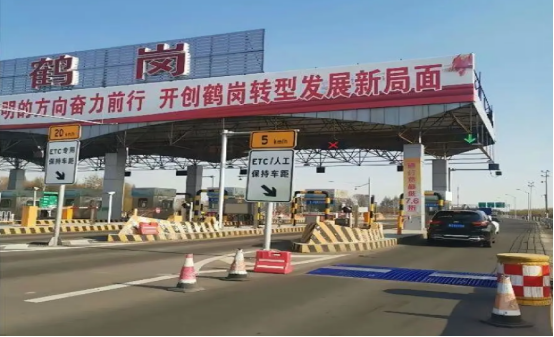
Weigh-in-Motion automatic scale:
It is necessary to limit the passing speed of vehicles, and generally achieve high accuracy when passing at a constant speed below 5km/h. In China, this product is mostly used for low-speed re weighing in highway weighing and toll systems and highway overloading detection stations, and it has national standards.