How to calibrate a Dynamic axle weighing
How to calibrate a Dynamic axle weighing
Keywords: Dynamic axle weighing, mobile truck scales, axle scale, weigh pad, dynamic axle weighing, static weighing system
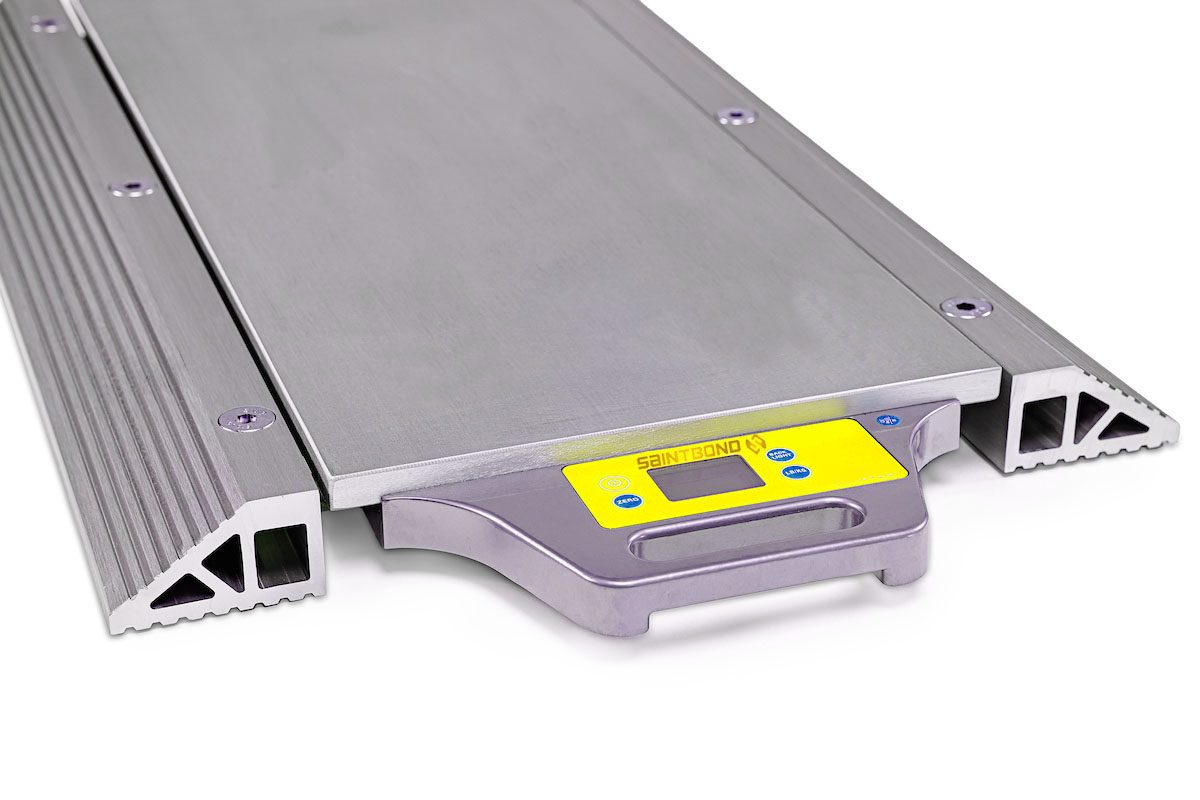
Portable mobile truck scales, also known as portable over limit and overload mobile truck scales, also known as portable over limit and overload detector, road mobile overload control device, portable over limit detection weighbridge, etc. The mobile truck scales is one of the overload control instruments and an essential item for protecting cars. Being able to control overloaded transportation is a powerful tool for road administration departments to curb vehicle overloading and overloading. Mobile truck scales is used for highway management of overloaded transportation and is an essential tool for road traffic police departments to effectively curb vehicle overloading and overloading.
Portable mobile truck scales can be divided into two categories based on their usage:
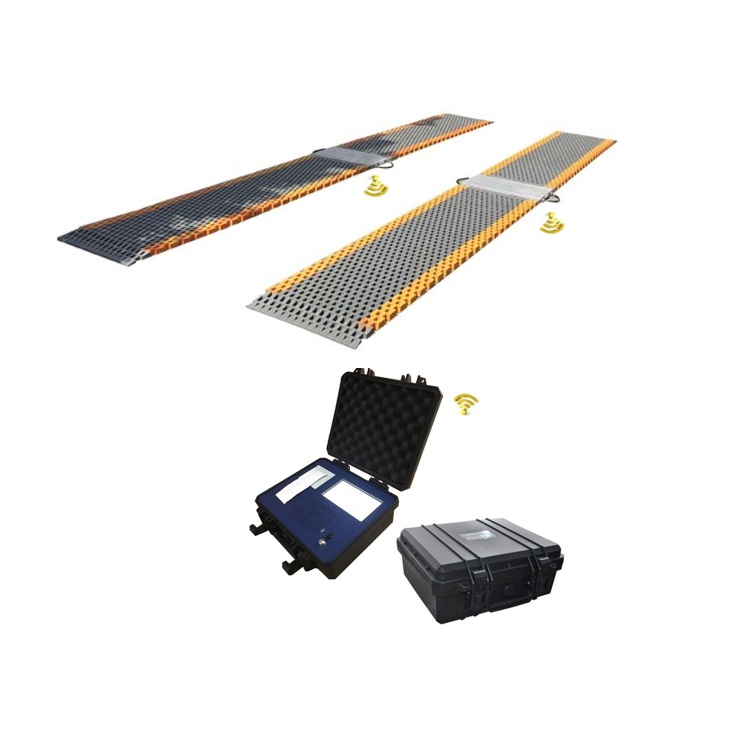
1: Dynamic axle weighing, typically consisting of 2 boards, with an error of ± 3%;
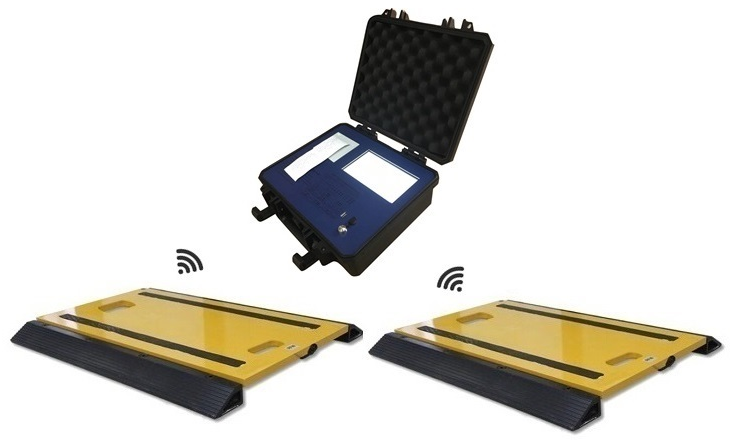
2: Static weighing system, with a static configuration error of ± 0.3% -0.5% for multiple boards according to the required vehicle model;
What are the differences between Dynamic axle weighing and static weighing system?
1: Dynamic axle weighing scales need to be operated within a specific weighing control area
Dynamic weighing scales (also known as Dynamic axle weighing scales, portable electronic axle scales) are widely used in toll stations and other places due to their convenient portability. Dynamic axle weighing scales belong to the national fourth level scales and usually measure continuously at a speed of 5 kilometers per hour. If the speed is high, it will automatically sound an alarm and have weight indication. This is because it is technically possible to set speed parameters. Dynamic axle weighing scales must be carried out within a specific weighing control area during actual use, because throughout the entire testing process, we will find that it is a way of weighing the entire vehicle. Therefore, it is necessary to ensure that the entire data is more accurate during the weighing process, and this testing method can be chosen for vehicle testing.
2: The detection data of static weighing system scales is more accurate
Static weighing system scales (static electronic car scales) belong to the third weigh pad scales. In the actual inspection process, it can also be found that static weighing system scales have high accuracy and stable and reliable functions. Relatively speaking, they are common in some large vehicles and have many advantages throughout the entire use process. Settlement of bulk goods or the entire measurement process are very easy, which is why they are widely used in many economic fields.
From the above content, we can also see that when we learn here, we can take a look at the specific differences between Dynamic axle weighing and static weighing system scales. Because axle weighing scales are mainly in the field of active weighing, many factors need to be considered in the weighing process. Static weighing system scales are not only more accurate, but also widely used in the entire market, which can make everyone feel at ease when choosing.
Analysis of the principle and development of dynamic axle weighing scales:
An analysis of the principle and development of Dynamic axle weighing scales:
A comprehensive overview of the structure and working principle of Dynamic axle weighing scales has been provided, focusing on the classification of Dynamic axle weighing scales. Different types of Dynamic axle weighing scales have been compared and elaborated in detail, explaining the precautions for selecting and using dynamic portable weighing scales, highlighting the advantages of axle group Dynamic axle weighing scales, and ensuring the safety of both enterprises and individuals' property.
1: The structure of dynamic axle weighing scales:
The dynamic axle weighing scale generally consists of a carrier, pressure sensor, signal processing box, electrical control box, grating recognition system, number line trigger, and display device. The carrier of the dynamic axle weighing scale should be in the same plane as the road surface of the toll gate. When the weigh pad loaded vehicle passes through the carrier, the pressure sensor is triggered, and the pressure sensor converts the pressure value into a voltage signal. The voltage signal is filtered and amplified before being sent to the processing box. After processing, the signal is converted into a weighing value and transmitted to the display to read the weight. The number line trigger measures the total number of axles of a vehicle during its passage. Various data are integrated and processed by increasing tariff coefficients, and the total amount of charges and other information are displayed in the toll booth.
2: Working principle of dynamic axle weighing system
When a loaded vehicle passes through a weigh pad device, the grating detects that a vehicle has entered for weighing. Each axle of the vehicle passes through the carrier in sequence, triggering the elastic device of the load cell to produce a corresponding signal proportional to the axle weight within the elastic change range. This signal is first filtered to eliminate other interference signals, then amplified by an amplifier and converted into a digital signal by an A/D converter. The digital signal of each axle is sent to the processor for superposition and processing, thereby obtaining the weight of the entire vehicle in the display instrument.
3: Classification of dynamic axle weighing scales
3.1: Axle Load dynamic axle weighing Scale
The most common dynamic axle weighing device is the axle scale load dynamic axle weighing scale. The axle scale load dynamic axle weighing scale has a simple structure and consists of four strain gauges on the base carrier and the support carrier. When each axle of the dynamic axle weighing passes over the carrier one by one, the axle weight of the axle scale vehicle is converted into the pressure of the corresponding strain sensor, and the load cell converts the pressure into an electrical signal for processing to obtain the weight of each axle of the dynamic axle weighing vehicle. The grating sensor will distinguish the entry and exit of the dynamic axle weighing vehicle into the weighing area for final work, thereby calculating the total weight of the vehicle. The accuracy of its weighing depends on the infrastructure of the road, the speed of the vehicle, the driving mode of the vehicle, and the level of signal processing capability. The advantages of axle scale load dynamic axle weighing scales are small construction area, fast construction speed, easy installation, and low cost; The disadvantage is that due to the short carrier, the effective weighing area is small, resulting in poor weighing repeatability and low reliability. The way the vehicle travels has a significant impact on its weighing.
3.2: Wheel Load dynamic axle weighing Scale
Wheel load dynamic axle weighing weighbridge, also known as bent plate dynamic axle weighing, as the name suggests, is composed of a bent plate frame, which itself serves as a pressure sensor. When the vehicle tires pass through, the bending plate is deformed by the pressure of the tires, causing a corresponding change in resistance. The change in resistance causes the voltage pressure difference to be transmitted to the processor for processing, thereby calculating the weight of the wheel. The advantage lies in the small amount of road infrastructure, fast progress of renovation construction, and low cost. The disadvantage is that the effective area for weighing is small, resulting in low reliability and high requirements for the external environment.
3.3: Vehicle mounted dynamic axle weighing scale
Two axle scale weighing scales have strict requirements for road infrastructure and vehicle driving modes, leading to the entry of whole vehicle dynamic axle weighing scales into the market. The whole vehicle dynamic axle weighing has a long weighing area along the direction of vehicle travel, and the loaded vehicle can be parked on the carrier. The whole vehicle dynamic axle weighing is composed of multiple pressure sensors, and the accuracy can reach 0.5 level, or even 0.2 level. The driving mode of the vehicle has almost no effect on the displayed value, preventing the occurrence of adverse phenomena such as jumping, twisting, and punching scales by heavy-duty vehicles in order to reduce the weighing displayed value. Its disadvantages are large road infrastructure area, complex installation, and high cost.
4: A new chapter in dynamic axle weighing scales
With the progress of society, equipment is also being updated and replaced. The combination of the advantages and disadvantages of vehicle type and single type dynamic axle weighing scales gave birth to the axle group dynamic axle weighing scale. The axle group dynamic axle weighing scale is a newly developed dynamic portable weighing scale that considers the accuracy of the weighing scale, installation cost, construction progress, and safety system. The axle scale group dynamic axle weighing device consists of a 5.1-meter carrier and four weighing sensors. One axle scale weighing load cell is placed in each area of the upper and lower axle scales along the direction of vehicle travel. The two pairs of load cells can recognize the direction of vehicle travel and weigh the axle scale load of the vehicle twice during vehicle passage. The processor compares the two sets of values, eliminates erroneous values, and calculates the displayed value that is closer to the true weight of the vehicle, thereby ensuring accuracy and avoiding vehicle behavior.
5: Conclusion
Dynamic axle weighing scales have become important technical equipment in the process of weight based toll collection and vehicle over limit detection on highways. With the continuous development of science and technology, the continuous research and upgrading of dynamic axle weighing systems have made certain contributions to China's vehicle weight based toll collection and transportation industry, in order to adapt to the call of the times and social economy.
How to choose a vehicle weighing scales
Brief Analysis of Axle Scale
Related Article