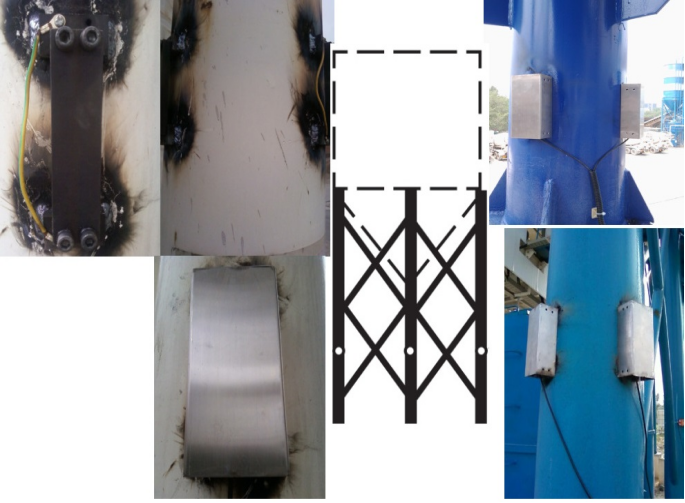


Patch Type Weighing Sensor
LC3703
LC3703 large material tank patch type weighing load cell, cement silo tank mixing plant measuring load cell;
System installation advantages:
1: No need to change the existing structure, no security risks;
2: Easy and convenient installation, time-saving without affecting production;
3: The load cell has no impact and is not easily damaged;
4: No need for empty warehouse calibration, convenient for customers to operate;
5: Network functionality facilitates remote access for customers;
6: Historical data query facilitates data verification;
7: Stable performance with minimal maintenance in the later stages;
8: Ultra high cost-effectiveness, affordable;
9: Comprehensive accuracy of 1%, meeting customer needs;
System installation advantages:
1: No need to change the existing structure, no security risks;
2: Easy and convenient installation, time-saving without affecting production;
3: The load cell has no impact and is not easily damaged;
4: No need for empty warehouse calibration, convenient for customers to operate;
5: Network functionality facilitates remote access for customers;
6: Historical data query facilitates data verification;
7: Stable performance with minimal maintenance in the later stages;
8: Ultra high cost-effectiveness, affordable;
9: Comprehensive accuracy of 1%, meeting customer needs;
Quantity:
LC3703 Patch Type Weighing Sensor Description:
LC3703 large Material can patch type weighing sensor, cement silo tank mixing plant measuring load cell;
LC3703 large Material can patch type weighing sensor, cement silo tank mixing plant measuring load cell;
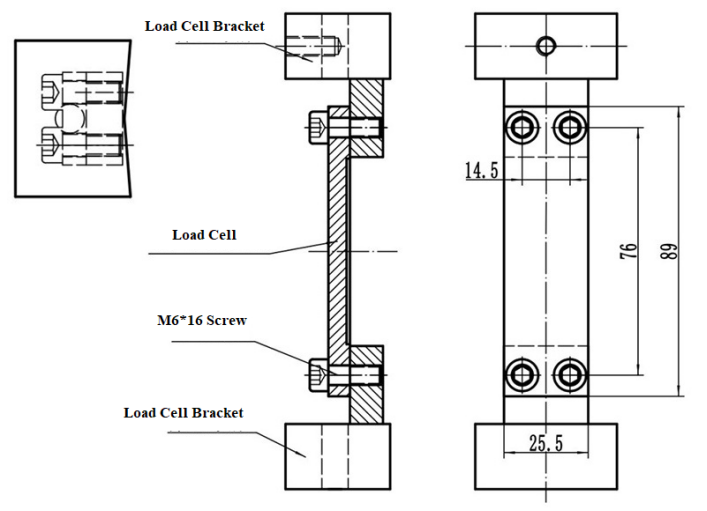
Used for Installation with a Circular Arc Surface
New Micro Strain Cement Tank Weighing Scheme
Accuracy: 1%
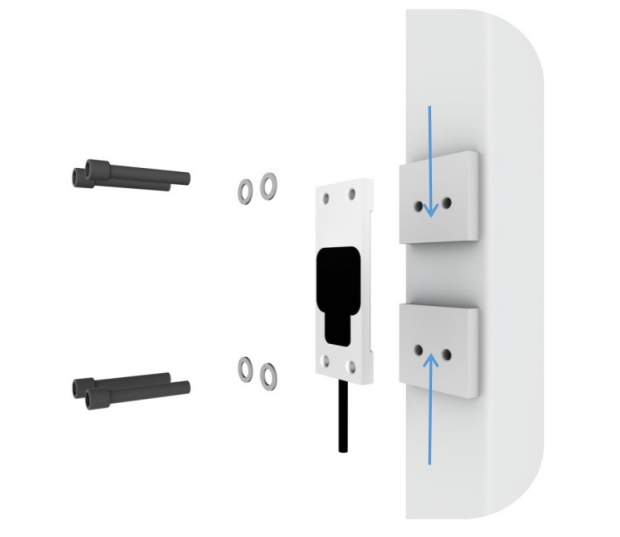
LC3703 Tank Patch Type Weighing Sensor Installation precautions:
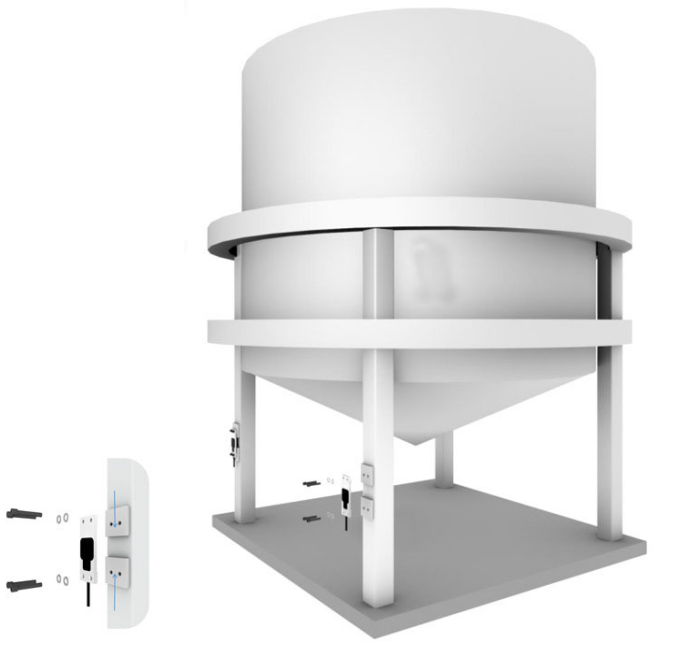
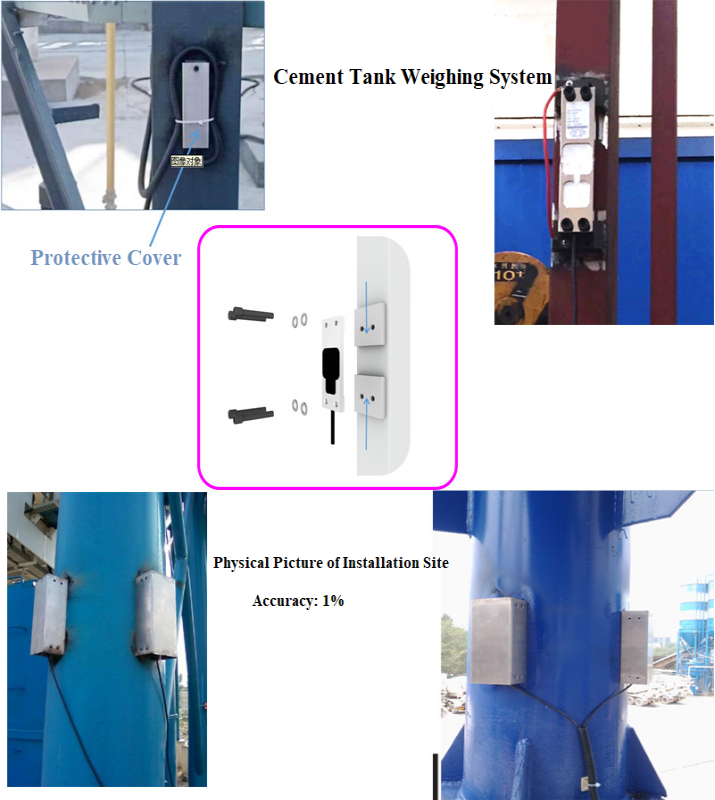
1: The Material can patch type weighing sensor is fixed to the measuring object with four standard M6 hexagon socket screws as shown in the figure. To obtain the best measurement results, we recommend using screws with a performance level of 12.9, tightening them in diagonally opposite order with a torque of 16N. m.
2: Clearly identify any layers or residual varnish and paint in the sensor installation area.
3: The surface of the measuring object must be sufficiently smooth (roughness Ra ≤ 3.2).
4: The strain sensor cannot stay in the center offset area and must not deform during installation.
5: Load the sensor to its maximum capacity multiple times before calibration to stabilize the installation surface. Then tighten the fastening bolts according to the nominal (rated) torque.
1: The Material can patch type weighing sensor is fixed to the measuring object with four standard M6 hexagon socket screws as shown in the figure. To obtain the best measurement results, we recommend using screws with a performance level of 12.9, tightening them in diagonally opposite order with a torque of 16N. m.
2: Clearly identify any layers or residual varnish and paint in the sensor installation area.
3: The surface of the measuring object must be sufficiently smooth (roughness Ra ≤ 3.2).
4: The strain sensor cannot stay in the center offset area and must not deform during installation.
5: Load the sensor to its maximum capacity multiple times before calibration to stabilize the installation surface. Then tighten the fastening bolts according to the nominal (rated) torque.
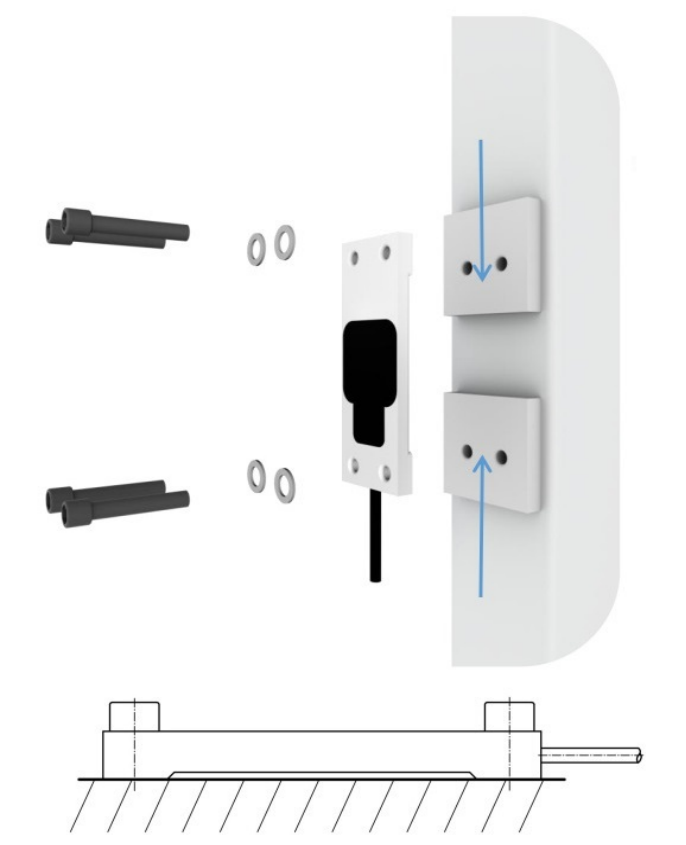
Installation Diagram
New Micro Strain Cement Tank Weighing Scheme
Suitable for measuring cement tanks and batching tanks below 2000t without changing the structure.
LC3703 Patch Type Weighing Sensor Application Case:
Measurement Principle Of Strain Force Sensor
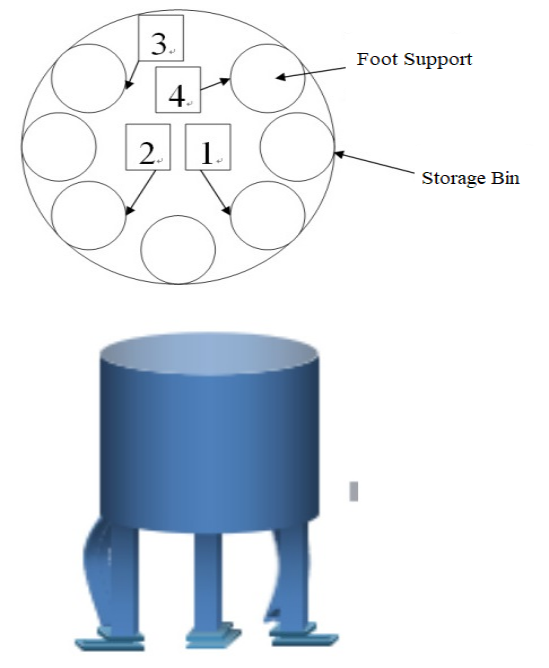
✅ The tank patch type weighing load cell module is installed in the middle of the support leg. When subjected to large loads, it will cause compression deformation of the support leg, and the strain gauges of the strain force sensor will provide real-time feedback on the deformation.
✅ The instrument amplifies the signal through A/D and displays the material level value in the tank in real time;
System installation advantages:
1: No need to change the existing structure, no security risks;
2: Easy and convenient installation, time-saving without affecting production;
3: The load cell has no impact and is not easily damaged;
4: No need for empty warehouse calibration, convenient for customers to operate;
5: Network functionality facilitates remote access for customers;
6: Historical data query facilitates data verification;
7: Stable performance with minimal maintenance in the later stages;
8: Ultra high cost-effectiveness, affordable;
9: Comprehensive accuracy of 1%, meeting customer needs;
1: No need to change the existing structure, no security risks;
2: Easy and convenient installation, time-saving without affecting production;
3: The load cell has no impact and is not easily damaged;
4: No need for empty warehouse calibration, convenient for customers to operate;
5: Network functionality facilitates remote access for customers;
6: Historical data query facilitates data verification;
7: Stable performance with minimal maintenance in the later stages;
8: Ultra high cost-effectiveness, affordable;
9: Comprehensive accuracy of 1%, meeting customer needs;
LC3703 Patch Type Weighing Sensor Installation Method: