Off site enforcement dynamics of overloading control and truck scales
Off site enforcement dynamics of overloading control and truck scales
Keyword: dynamic truck scale, real-time weigh, off site truck scales
With the rapid development of the transportation industry, the problem of overloading and overloading has become increasingly prominent, which not only seriously damages highway facilities but also greatly increases traffic safety hazards. In order to effectively solve this problem, the dynamic truck scale technology for non site law enforcement of overloading has emerged. This article will provide a brief introduction to the dynamic law enforcement of off site truck scales for overloading control from three aspects: technical principles, application scenarios and advantages, and implementation strategies.
I: Technical principles
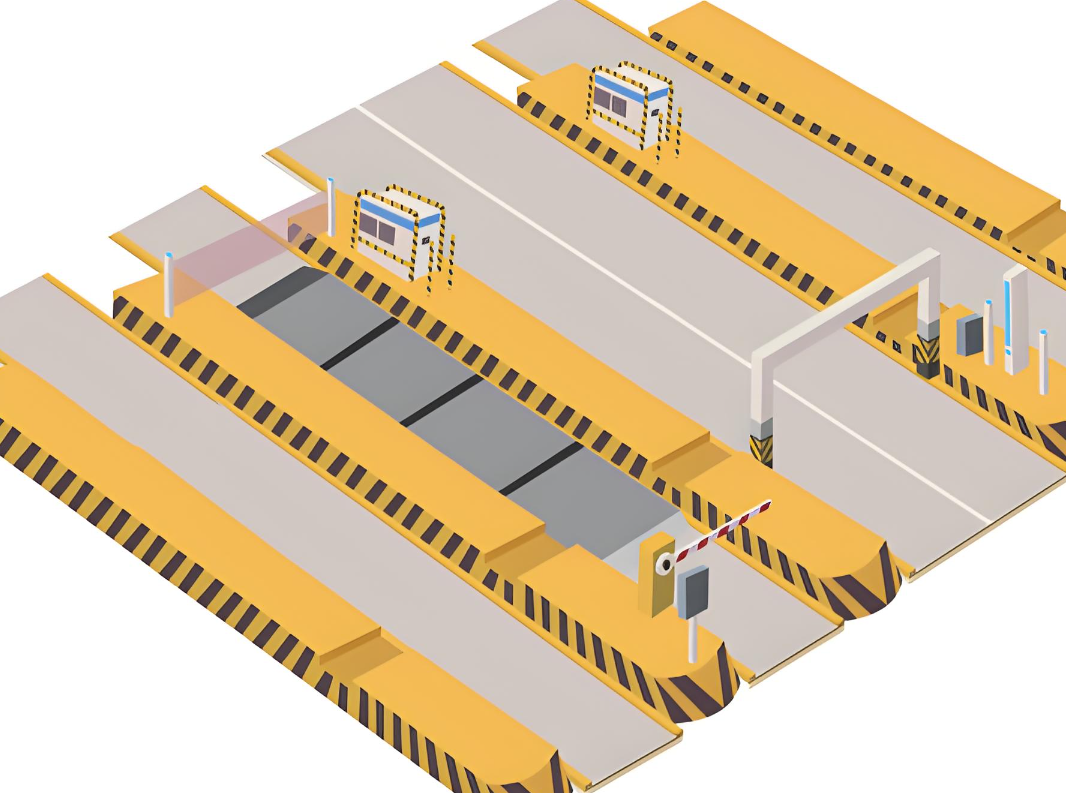
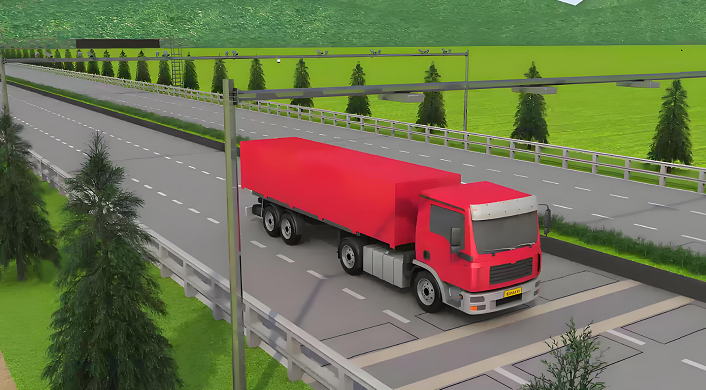
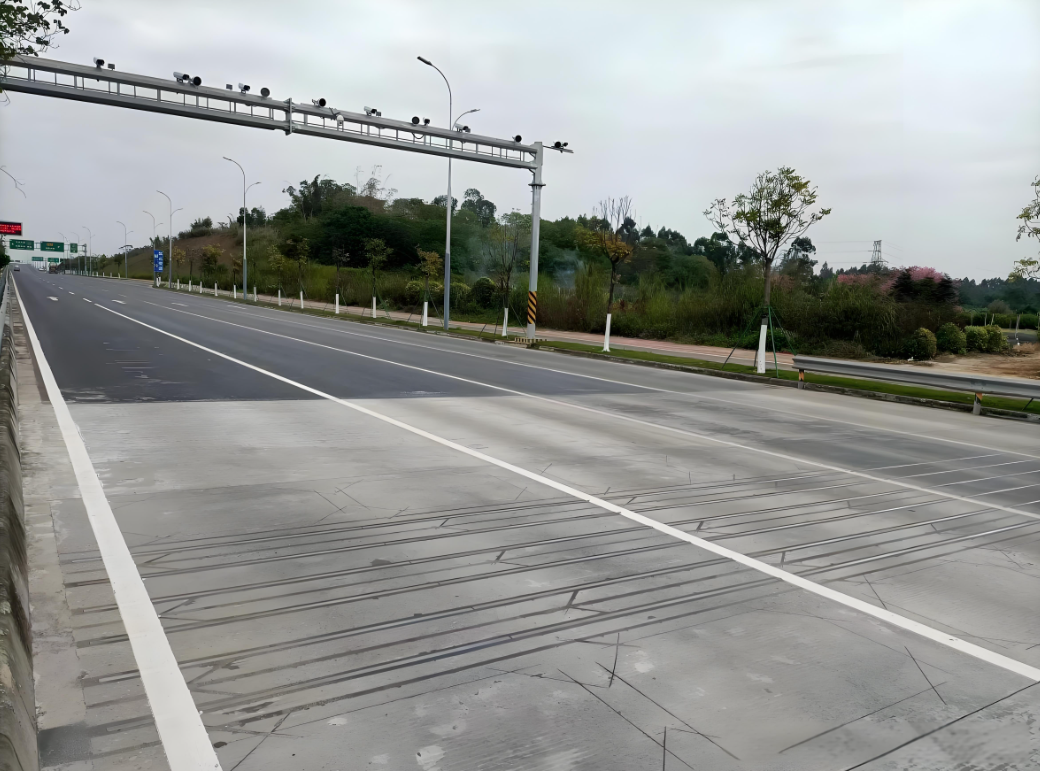
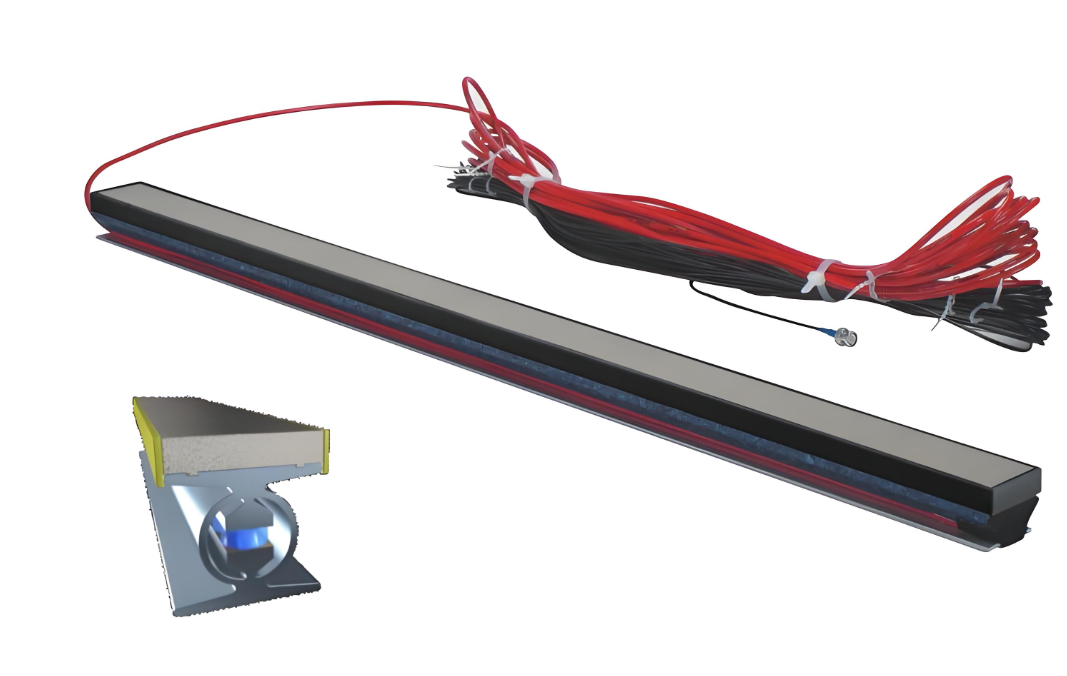
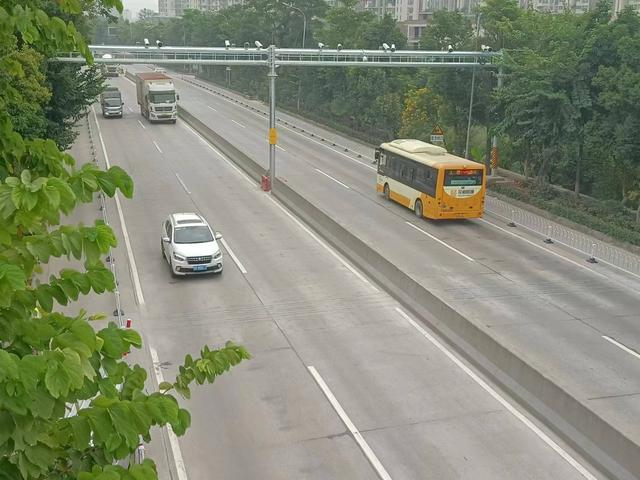
The dynamic truck scale for non site enforcement of overloading is a traffic law enforcement method based on dynamic weighing technology. It installs high-precision sensors and data processing equipment at key road nodes to real-time weigh vehicles in motion and compare them with preset over limit standards. Once the vehicle exceeds the limit, the system will automatically record the vehicle information and generate evidence of illegal activities, providing a basis for subsequent law enforcement.
This technology not only improves the accuracy and efficiency of law enforcement, but also avoids the human interference and misjudgment that may occur in traditional law enforcement methods. Due to the fact that the entire law enforcement process is completed while the vehicle is in motion, there is no need to stop for inspection, greatly reducing traffic congestion and delays.
II: Application scenarios and advantages
The dynamic truck scale technology for non site law enforcement of overloading control is applicable to various transportation facilities such as highways, bridges, tunnels, etc. In practical applications, it demonstrates the following advantages:
1. Efficiency: The system can quickly weigh and identify passing vehicles, greatly improving law enforcement efficiency.
2. Fairness: Through automated and intelligent data processing, the interference of human factors is reduced, and the high visibility enhances the fairness of law enforcement.
3. Safety: Avoiding traffic safety hazards caused by parking inspections and improving the safety of road traffic.
4. Convenience: For illegal vehicles, the system can automatically generate illegal evidence, facilitating subsequent processing and improving the convenience of law enforcement.
III: Implementation strategy
In order to ensure the effective implementation of dynamic truck scale technology for non site law enforcement of overloading control, the following strategies are worth considering:
1. Reasonable planning and layout: Install dynamic truck scale equipment in key road sections and nodes to ensure excellent monitoring coverage and no blind spots.
2. Technology update and upgrade: With the development of technology, the equipment shall be updated and upgraded regularly to maintain the progressiveness and accuracy of technology.
3. Strengthen law enforcement cooperation: Establish a close law enforcement cooperation mechanism with traffic management departments, public security departments, etc. to ensure timely handling of illegal activities.
4. Strengthen publicity and education: Through various channels such as media and the internet, enhance publicity and education on the hazards of overloading and overloading, and improve drivers' awareness of compliance with the law.
The promotion and application of dynamic truck scale technology for non site law enforcement of overloading control provide new ideas and means for effectively solving the problem of overloading. By continuously optimizing technology, improving management, and strengthening law enforcement cooperation, we are confident in achieving better results in future traffic law enforcement work.
Off site law enforcement system for controlling overloading
What are the main hazards of overloading and exceeding limits
Related Article