Working principle of Analog Weighing Sensor
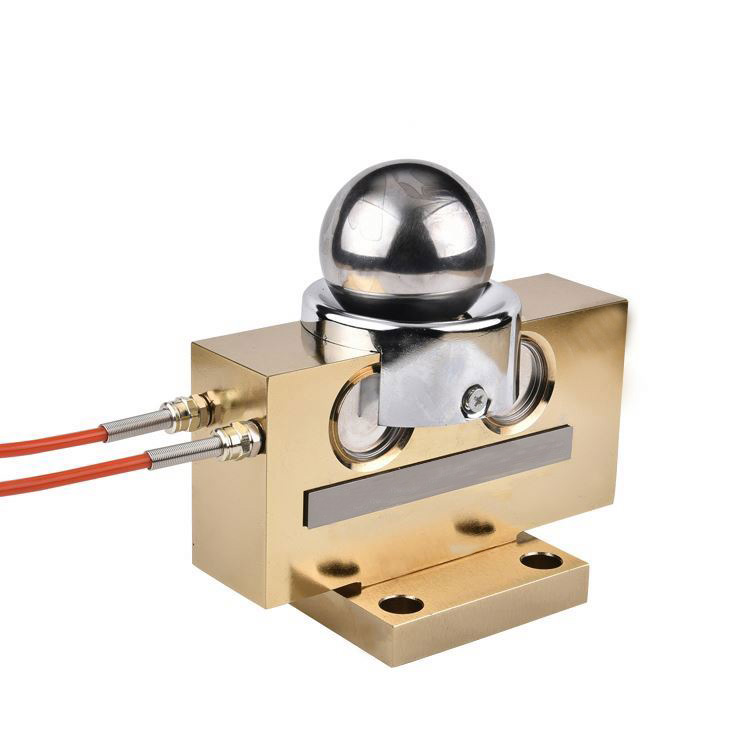
Working principle of Analog Weighing Sensor
Keyword: analog weighing sensor, analog load cell
The working principle of analog weighing sensors:
The working principle of analog weighing sensors is based on the strain effect of the analog load cell's elastic material. When external force acts on the elastic material of the analog load cell, the elastic material of the analog load cell will deform, and the degree of deformation is proportional to the force applied. This deformation will cause a change in the resistance value of the material, known as strain effect. Specifically, when the elastic material of the analog load cell is stretched or compressed, its length increases, the cross-sectional area decreases, and the resistance value increases; On the contrary, when the elastic material of the analog load cell is compressed, its length decreases, the cross-sectional area increases, and the resistance value decreases.
Structure of analog weighing sensors:
Analog weighing analog load cell typically use a Wheatstone bridge as the electrical measurement circuit. The Wheatstone bridge is a circuit that can accurately measure changes in resistance values. It consists of four resistors, one or several of which are strain gauges in analog weighing sensors. When the analog load cell is subjected to force causing a change in the resistance of the strain gauge, the bridge will lose balance, resulting in a voltage difference at the output terminal of the bridge, that is, the output voltage. This output voltage is proportional to the force acting on the sensor, and after calibration, it can accurately represent the weight of the object.
Types of analog weighing sensors:
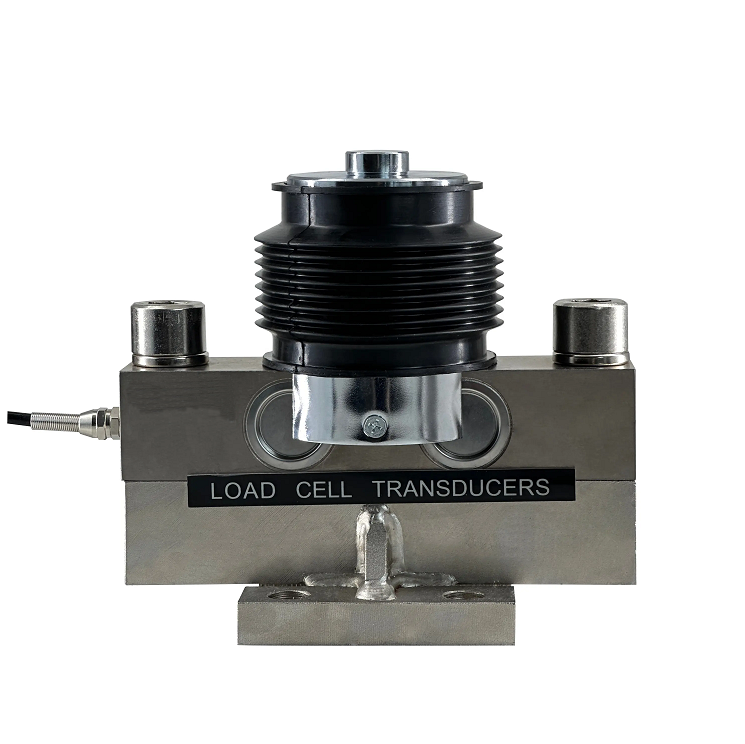
There are various types of analog weighing sensors, such as S-shaped analog load cell, circular plate type analog load cell, column type analog load cell, etc. According to their different shapes and purposes, analog weighing sensors can be classified into various types. For example, strain gauges are mostly in the form of sheet structures, fixed on metal weighing units. When an object is pressed on the weighing unit, it will cause deformation of the weighing unit, thereby driving the strain sensor to deform. When the internal strain gauges deform, the resistance value will change.
Application scenarios of analog weighing sensors:
Analog weighing sensors are widely used in industrial production and daily life. For example, in industrial electronic weighing modules, analog weighing sensors are an important component. The industrial electronic weighing module consists of a top plate, a bottom plate, weighing analog load cell, load support columns, and support bolts. According to the different load-bearing columns and top plates, it can be divided into fixed, semi floating, and floating types. In a weighing and batching system, a fixed module and a semi floating module are used, with the rest supplemented by floating modules.
How to choose a Weighbridge ?
Detailed explanation of the electrical principle of Junction Box for Industrial Weighing
Related Article