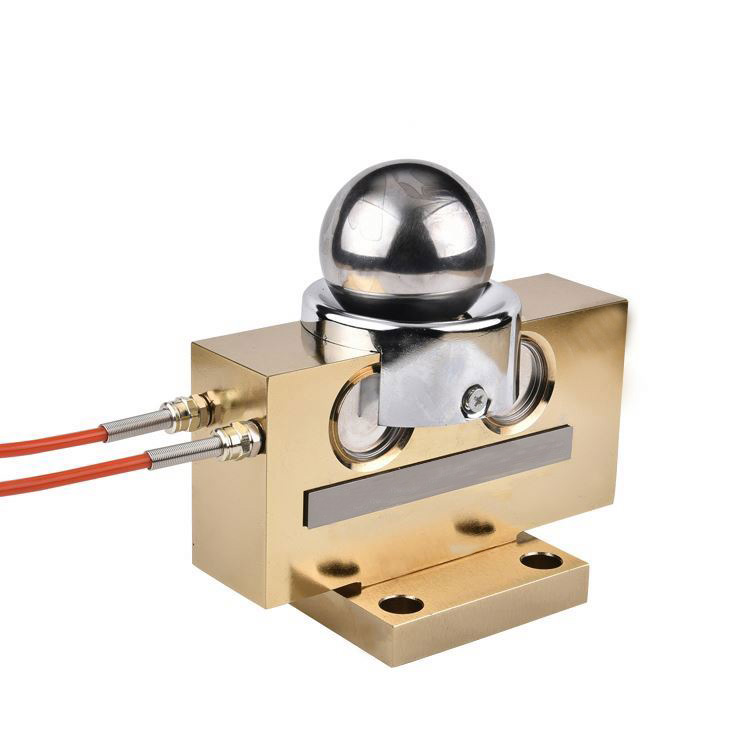
What is the difference between analog weighing sensors and digital weighing sensors
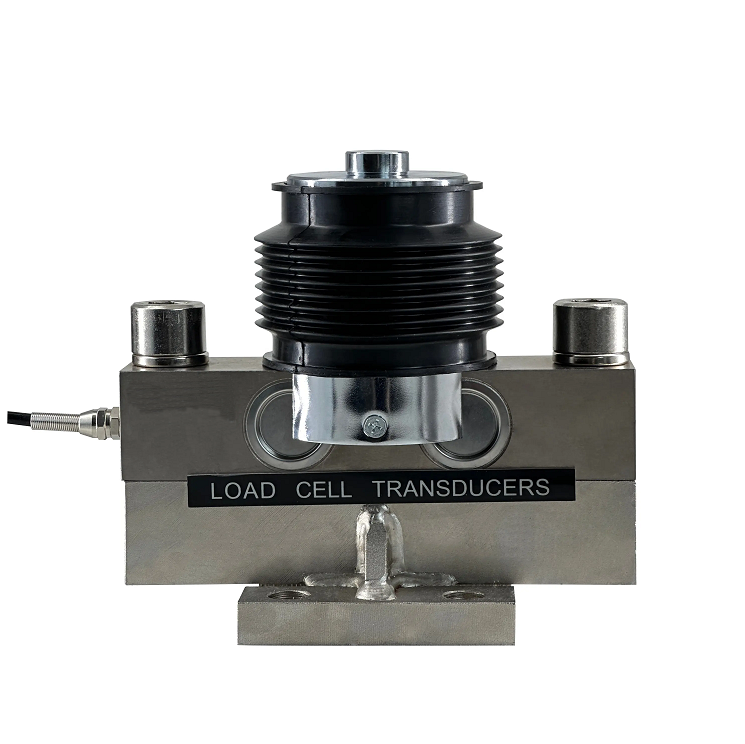
What is the difference between analog weighing sensors and digital weighing sensors?
Keyword: analog weighing sensors, digital weighing sensors
There are significant differences between analog weighing sensors and digital weighing sensors in terms of working principles, accuracy, signal processing methods, application scenarios, and fault detection.
Working Principle:
Analog weighing sensors: Based on the principle of elastic deformation, the weight of an object is converted into an electrical signal output through strain sensors and bearings, and then processed through signal amplification, conditioning, and identification to obtain the final weight value.
Digital weighing sensors: Based on the principle of vibrating wire deformation, when an object is placed on the sensor, the vibrating wire will produce a small vibration deformation due to the weight of the object. The weight of the object is calculated by detecting the frequency change of the vibrating wire deformation.
Accuracy:
Analog weighing sensors: usually only achieve a weight measurement accuracy of one percent to one thousandth, which is relatively low.
Digital weighing sensors: capable of achieving high-precision weight measurement, typically displaying weight values less than 0.1g accurately.
Signal processing method:
Analog weighing sensors: outputting analog signals that require A/D conversion before being stored in digital devices, and the signal transmission process is susceptible to interference.
Digital weighing sensors: directly outputs digital signals, with strong anti-interference ability, suitable for wireless transmission or noise interference environments.
Application scenarios:
Analog weighing sensors: mainly used in high-speed weighing and dynamic weighing scenarios, such as weighing on industrial production lines, weighing on transportation vehicles, etc.
Digital weighing sensors: suitable for high-precision and high anti-interference scenarios, such as drug weighing in the pharmaceutical and chemical industries, food weighing in laboratories, etc.
Fault detection method:
Analog weighing sensors: requires maintenance by professional personnel.
Digital weighing sensors: equipped with a self-monitoring system, it can automatically alarm when a fault occurs, indicating the parts that need to be repaired.
In summary, Digital weighing sensors have significant advantages in accuracy, anti-interference ability, signal processing methods, and application scenarios, while Analog weighing sensors are more suitable for dynamic or high-speed weighing scenarios. The choice of appropriate sensor type depends on specific application requirements and environmental conditions.
Introduction and Precautions for explosion proof junction box
Related Article