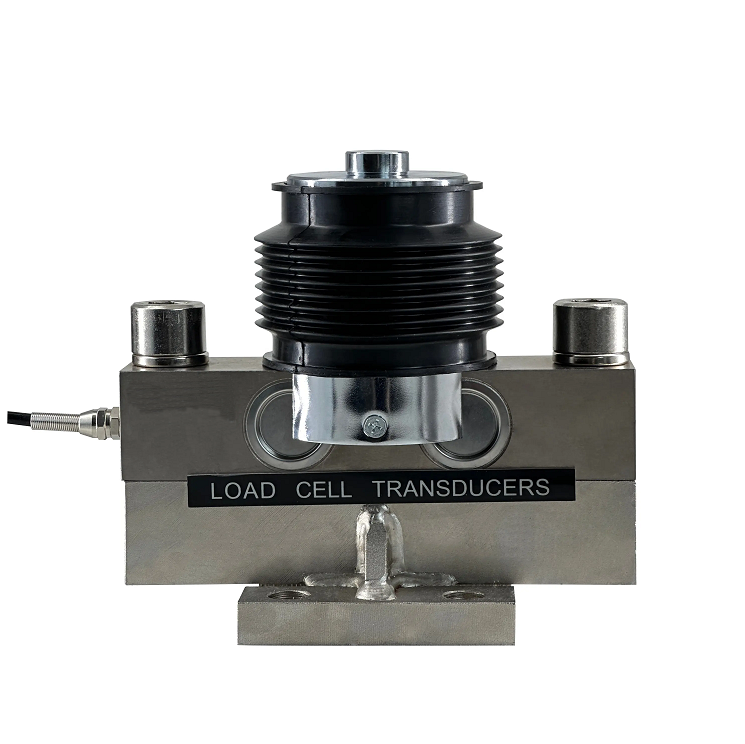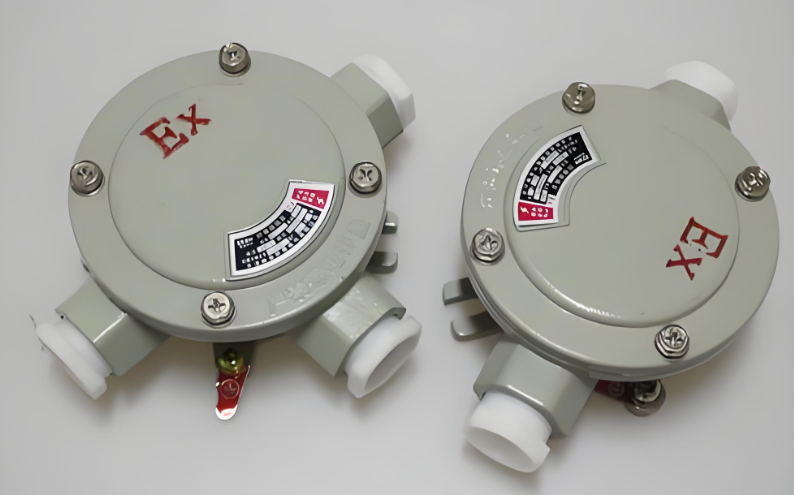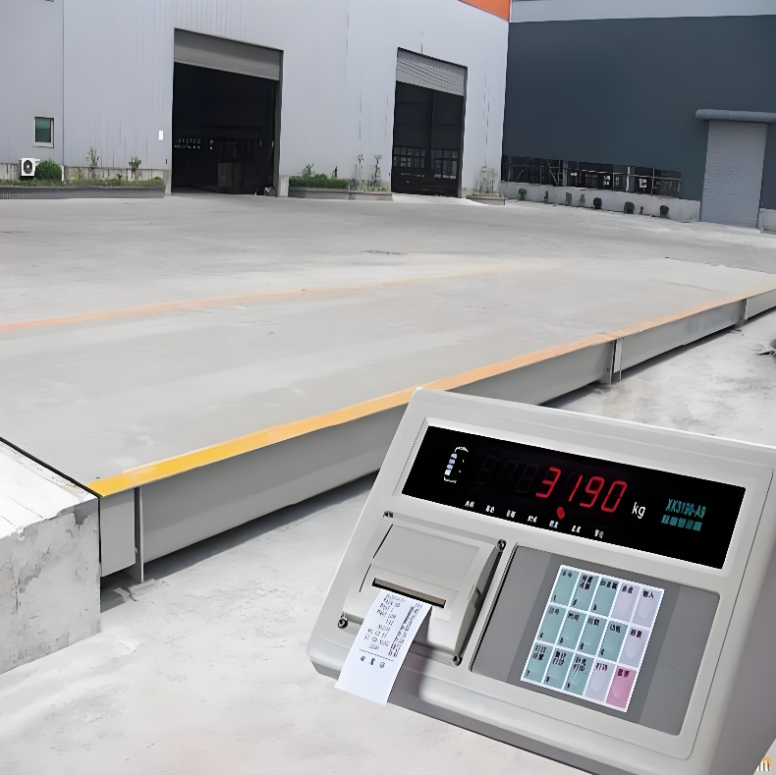
What is the Principle of the Digital Load Cell Weighbridge
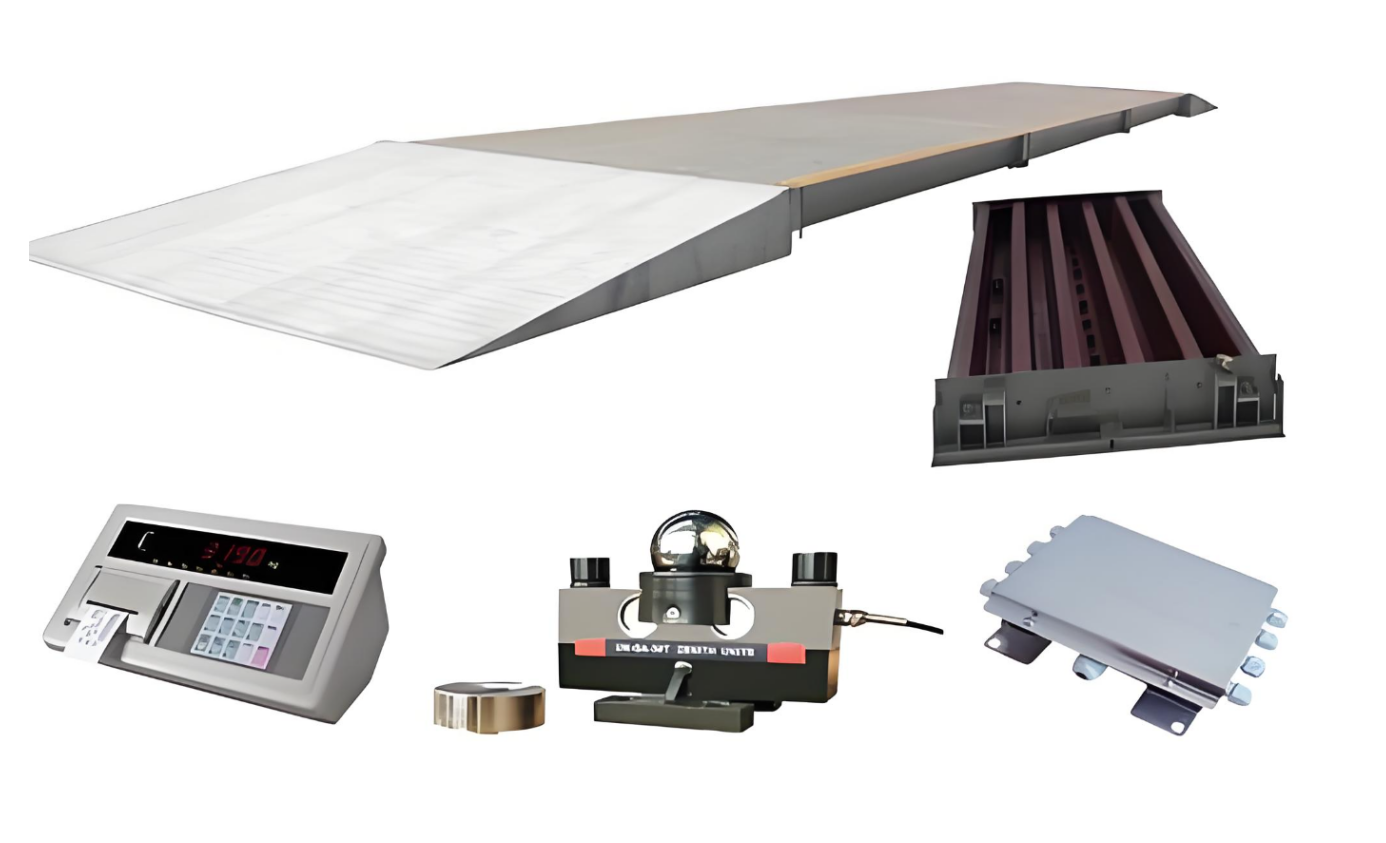
What is the Principle of the Digital Load Cell Weighbridge
Keyword: digital load cell weighbridge, weighbridge load cell price
Weighing scale sensors, also known as digital load cell weighbridge, are one of the core components of weighing systems, responsible for converting the weight of objects into measurable electrical signals. The following is a detailed introduction to the working principle of the digital load cell weighbridge:
1: Basic principles
The working principle of the digital load cell weighbridge is mainly based on the principles of strain gauges, bridge circuits, signal amplification, temperature compensation, and data processing.
Strain gauge principle:
The key component in industrial pressure digital load cell weighbridge is strain gauges, typically made of metal or semiconductor materials.
When a strain gauge is subjected to external force, it undergoes deformation, which causes strain inside the gauge and changes its resistance value.
By measuring the change in resistance value, the weight of the object under force can be indirectly determined.
Principle of Bridge Circuit:
Bridge circuit structure is commonly used in digital load cell weighbridge, which consists of four strain gauges.
When subjected to the weight of an object, the strain gauge produces strain, causing a change in the resistance value of the bridge circuit.
By measuring the change in resistance value, the weight of the object under force can be calculated.
2: Working process
Weighing process:
When a vehicle or cargo is parked on a weighing scale, its weight is transmitted to an industrial pressure sensor through the scale body.
The strain gauges inside industrial pressure sensors deform under pressure, resulting in changes in resistance values.
This change in resistance value is captured by the bridge circuit and converted into an electrical signal.
Signal amplification and processing:
Due to the fact that the output signal of industrial pressure sensors may be very weak, a signal amplifier is required for amplification.
The amplified signal is processed through filtering, linearization, and other techniques to improve measurement accuracy and stability.
Temperature compensation:
The weighbridge load cell price of the weighing scale is affected by temperature during operation, resulting in a change in resistance value.
To eliminate this influence, temperature compensation devices are usually added inside industrial pressure sensors to ensure the accuracy of measurement results.
Data display and storage:
The processed signal is converted into a digital signal and displayed on a screen or computer.
Meanwhile, these data can be stored in the computer for subsequent statistical management and report printing.
3: Sensor type and selection
Weighbridge load cell price can be classified into various types based on their structure and principles, such as bridge, column, cantilever beam, etc. When choosing industrial pressure sensors, factors such as actual working environment, measurement accuracy, stability, and cost need to be considered.
4: Summary
The weighbridge load cell price of the weighing scale converts the weight of an object into a measurable electrical signal through technical means such as strain gauge principle and bridge circuit principle. After amplification, processing, display, and storage, these signals provide users with accurate weight data. weighbridge load cell price play an important role in industrial production, logistics transportation, and other fields, and are an important component of modern weighing technology.
How to repair the Bridge type sensor
The difference between analog and digital signals in the Weighbridge Junction Box
Related Article