Principle of Column Sensor
Principle of Column Sensor
Keyword: column sensor, elastomers
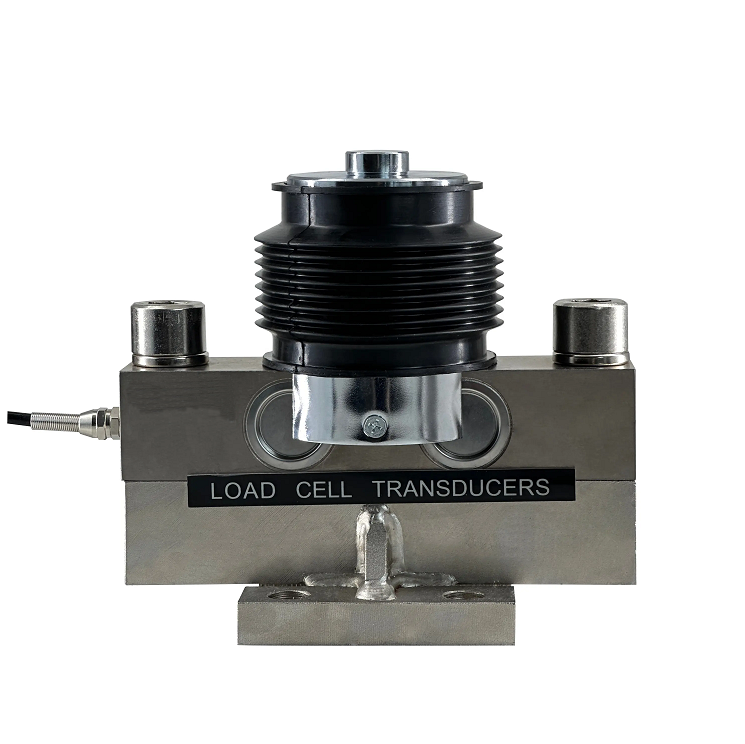
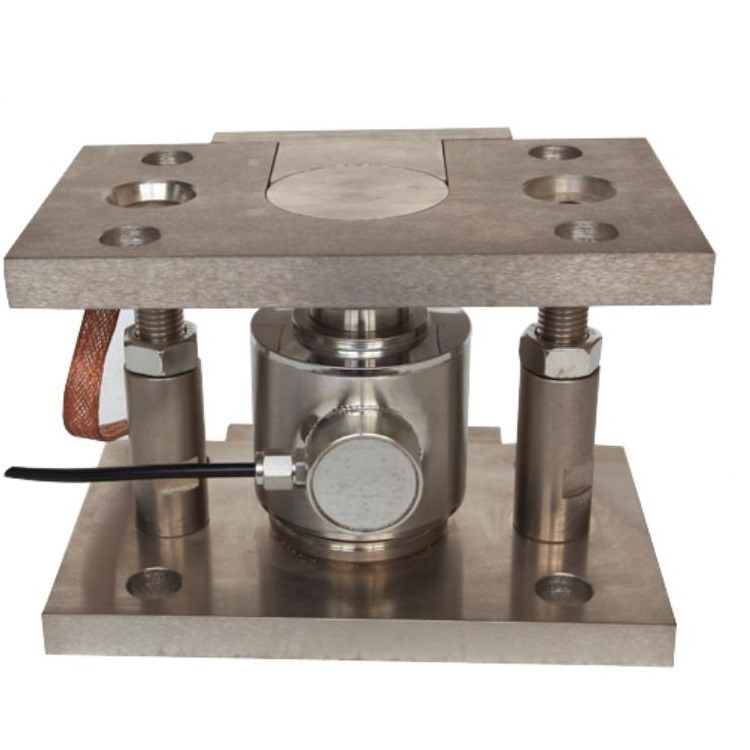
The working principle of a cylindrical weighing sensor is to apply gravity to an elastic body, causing it to deform. This deformation is detected by strain gauges attached to the elastic body and converted into electronic signals. Sensors typically consist of components such as strain gauges, elastomers, a protective housing for the strain gauges, and sealing elements.
Detailed explanation of working principle:
The working principle of strain gauges: When an external force is applied to an elastic body, the strain gauges attached to the elastic body will deform accordingly, causing a change in their resistance value. This resistance change is converted into corresponding electrical signals through a detection circuit, thereby converting weight or pressure signals into electrical signals.
The role of elastomers: Elastomers are the main load-bearing components of sensors, and their design is usually characterized by large capacity, which can maintain stability in heavy-duty applications, and are not easily bent or deformed. The deformation of elastic bodies is the basis for the operation of sensors.
Application scenarios of column type weighing sensors:
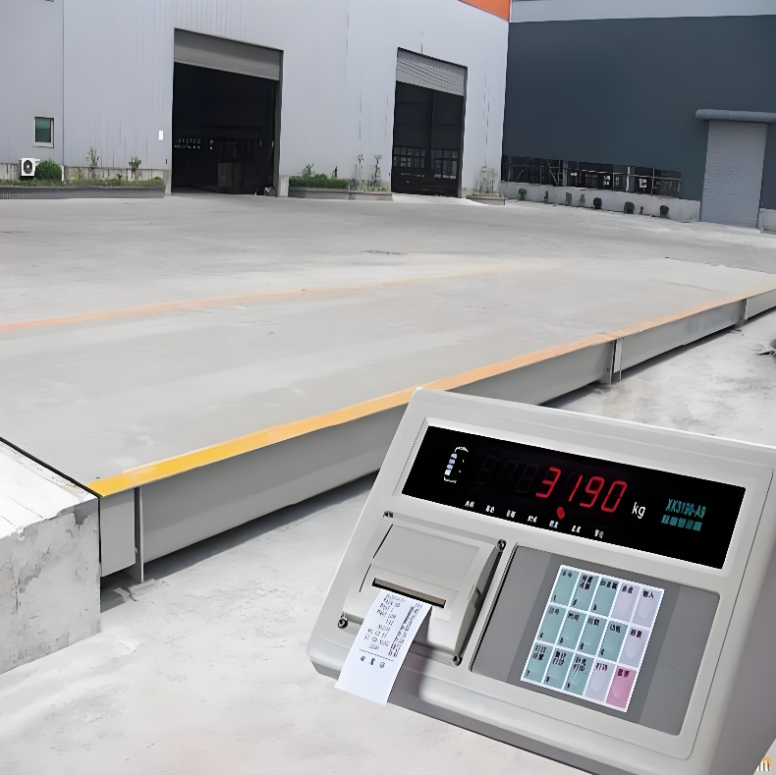
Due to its large capacity, column type weighing sensors are particularly suitable for heavy-duty applications such as ladle scales, rolling force measurement, testing machines, and various large tonnage batching weighing controls. In addition, in automotive scales, column type weighing sensors are also commonly used in floor scale sensors to achieve accurate weighing measurements by converting mass signals into electrical signals for output.
Advantages and disadvantages of column type weighing sensors:
Advantages: Its large capacity makes it stable in heavy-duty applications and less susceptible to external forces; Compact structure and easy installation; High comprehensive accuracy and good long-term stability.
Disadvantages: Hollow cylindrical elastomers have load loading problems, which may lead to high hysteresis errors; The electronic components are prone to malfunction, which affects the reliability and service life of the sensor.
Through the above content, we can comprehensively understand the working principle, application scenarios, and advantages and disadvantages of column type weighing sensors.
Avoidance Techniques for Overlimit Weighbridge
A Brief Discussion on Column Load Cell
Related Article