Principle and Application of Industrial Weight Sensor
Principle and Application of Industrial Weight Sensor
Keyword: industrial weight sensor, electronic weight sensor
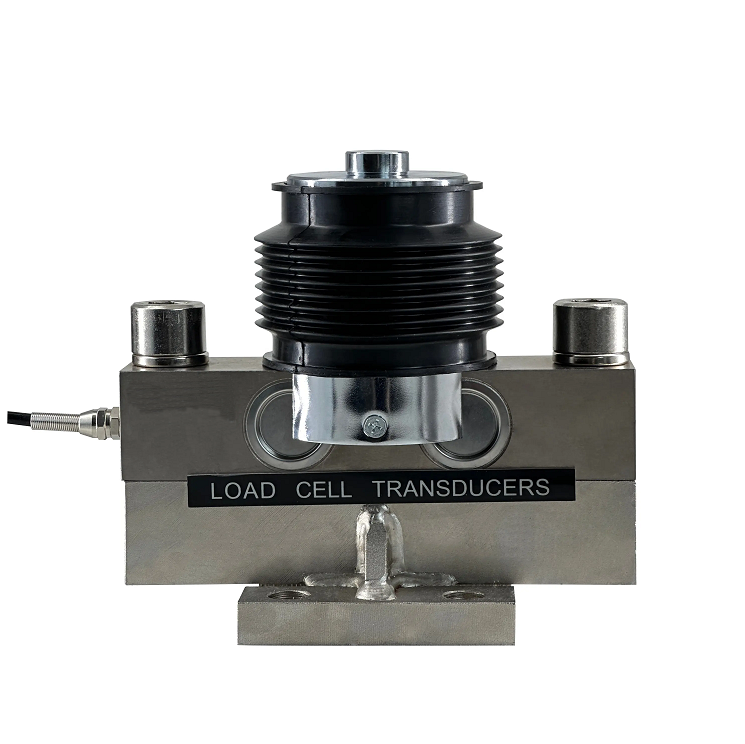
A electronic weight sensor is a device that converts a mass signal into a measurable electrical signal output. Its working principle is based on strain gauge technology, which measures weight by converting the deformation under external force into electrical signals. Strain gauges play a crucial role in various industrial applications, particularly in heavy industry, manufacturing plants, large production workshops, and quality control environments.
The working principle of strain gauges mainly relies on metal resistance strain gauges. These strain gauges are fixed on the elastic body, and when an external force causes the elastic body to deform, the strain gauges also deform, thereby changing their resistance value. This change in resistance value can be converted into an electrical signal through electronic circuits, and the magnitude of the output signal is proportional to the applied force or load. Specifically, weighing force sensors are typically composed of strain gauges and elastic bodies. The elastic body (usually made of steel or aluminum) undergoes deformation under load, and the strain gauges capture this deformation and convert it into electrical signals. These signals are further processed by signal processing circuits to output stable and accurate measurement results.
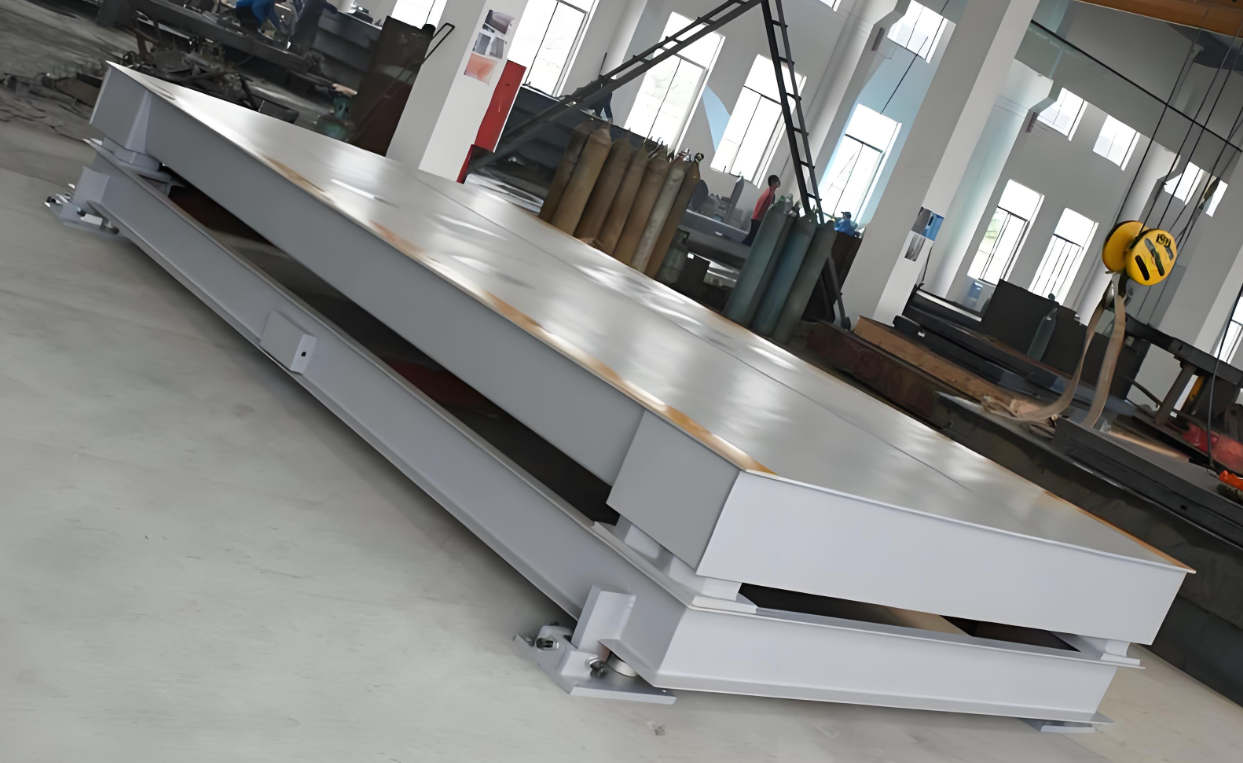
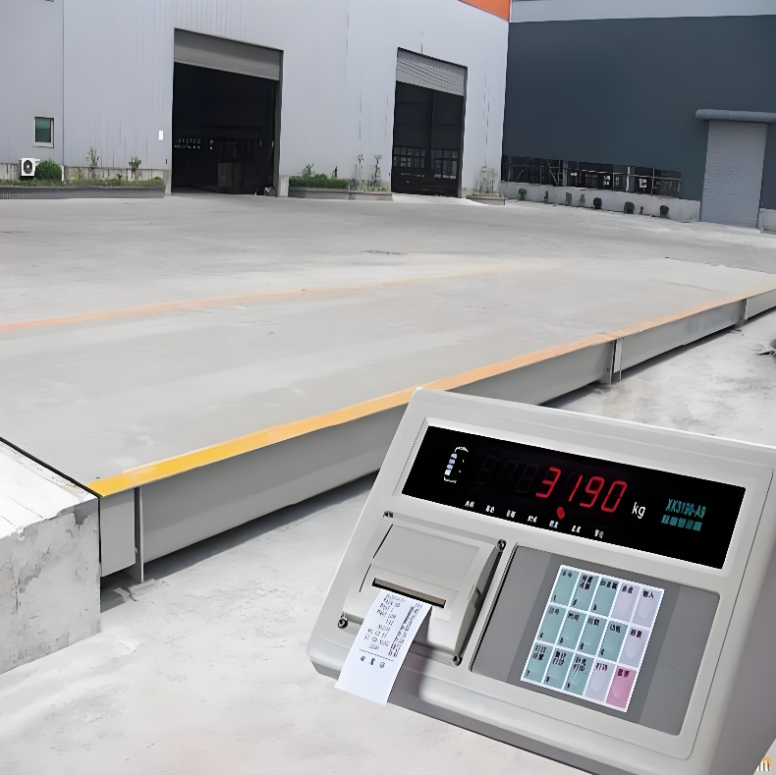
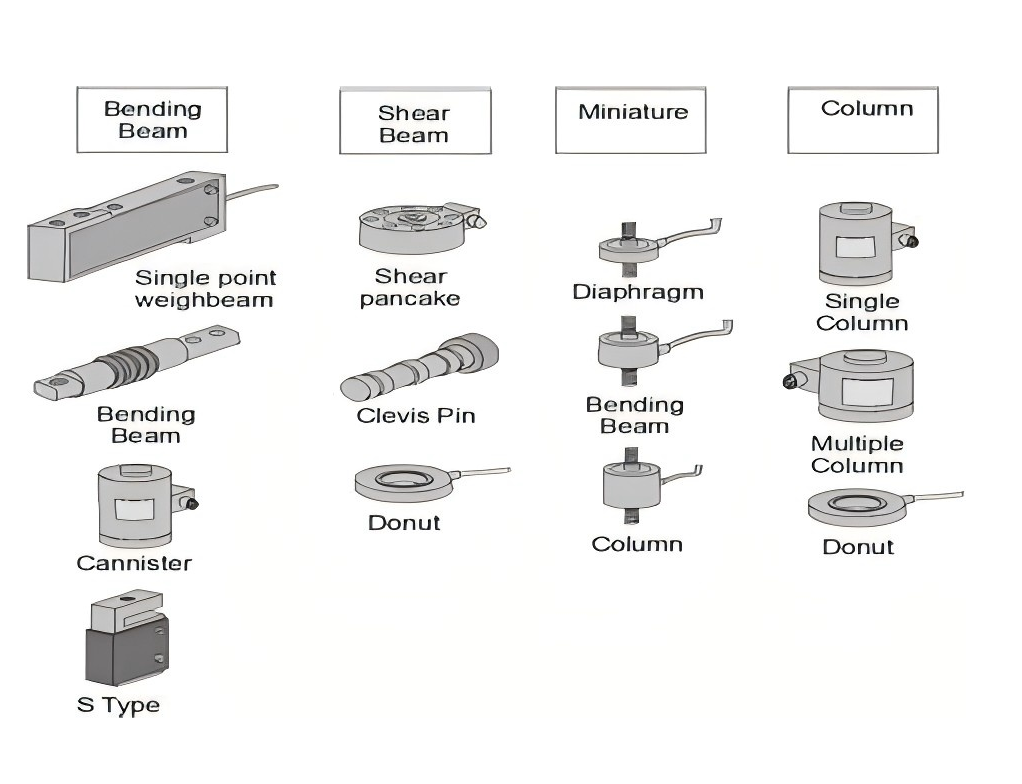
There are various types of strain type force electronic weight sensor, including photoelectric, hydraulic, electromagnetic, etc. The styles include S-shaped industrial weight sensor, cantilever industrial weight sensor, spoke industrial weight sensor, etc. They are widely used in various application scenarios such as electronic car scales, box type industrial weight sensor, and weighing industrial weight sensor for weighing scales, ensuring accurate weight measurement and data analysis.
In practical applications, when selecting and using industrial weight sensor, it is necessary to consider their working environment, as this directly affects the normal operation, safety, and service life of the industrial weight sensor, as well as the reliability and safety of the entire weighing apparatus. There are qualitative differences between the new and old national standards in the basic concepts and evaluation methods of the main technical indicators of industrial weight sensor, so special attention should be paid when selecting and using them.
In short, the industrial weight sensor achieves accurate measurement of weight by converting the mass signal into an electrical signal output, and is widely used in weight detection and control in various industries and environments. Its working principle is based on strain gauge technology, which works by measuring the deformation under external force.
Application of Resistance Strain Gauge Sensor
Reasons and solutions for overweight display on Digital Truck Scales
Related Article