Brief Analysis of Axle Scale
Brief Analysis of Axle Scale
Keyword: Portable Truck Scales, Axle Pads, axle weight scale
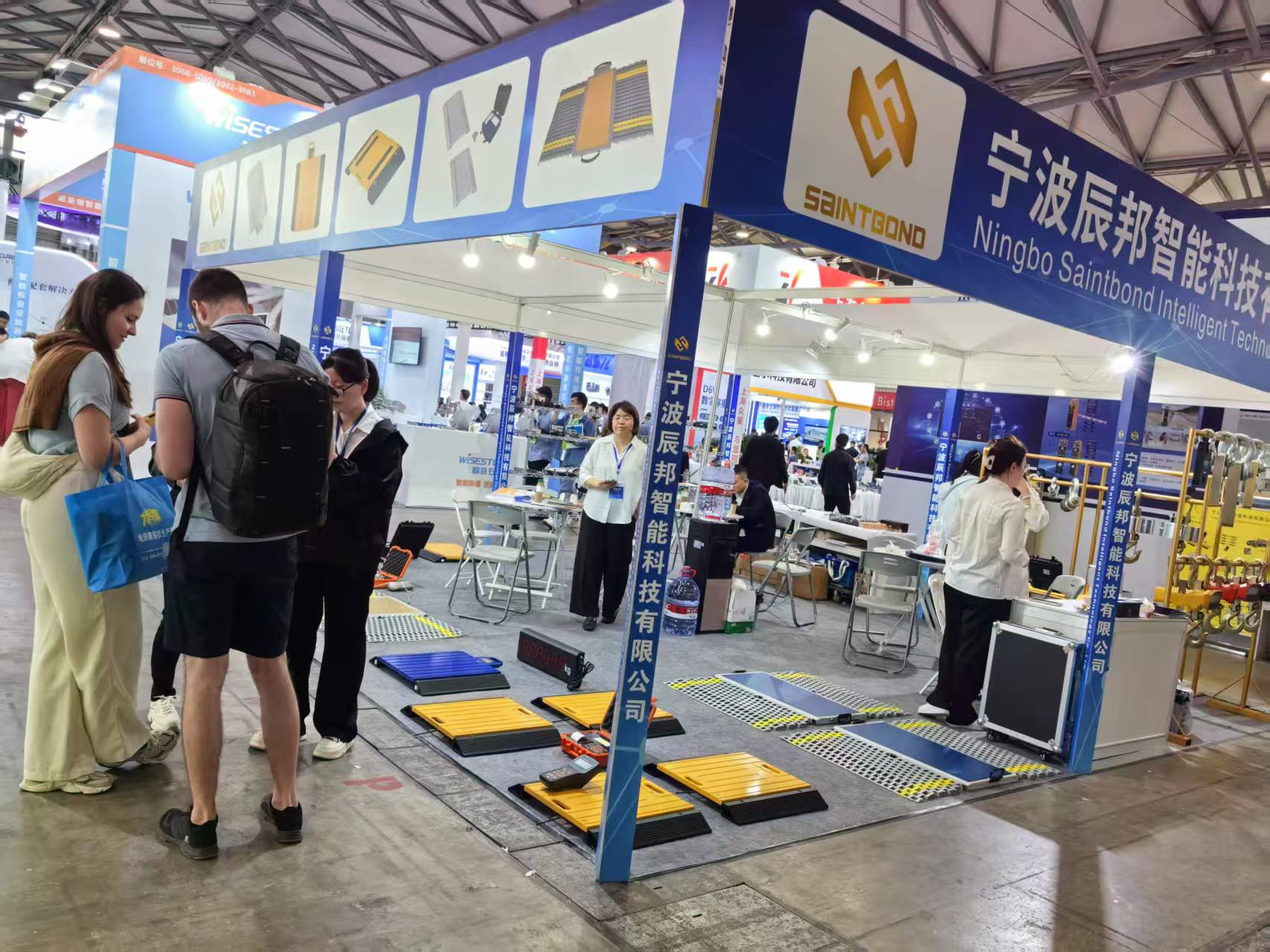
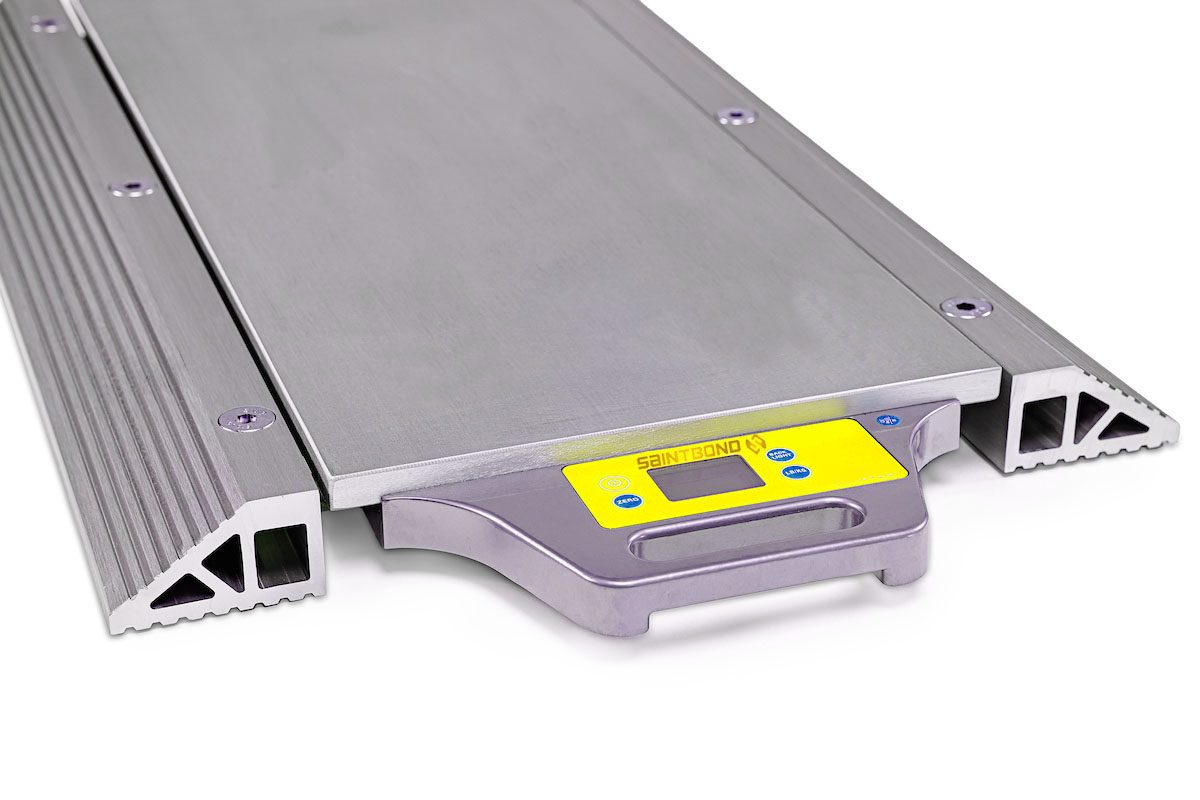
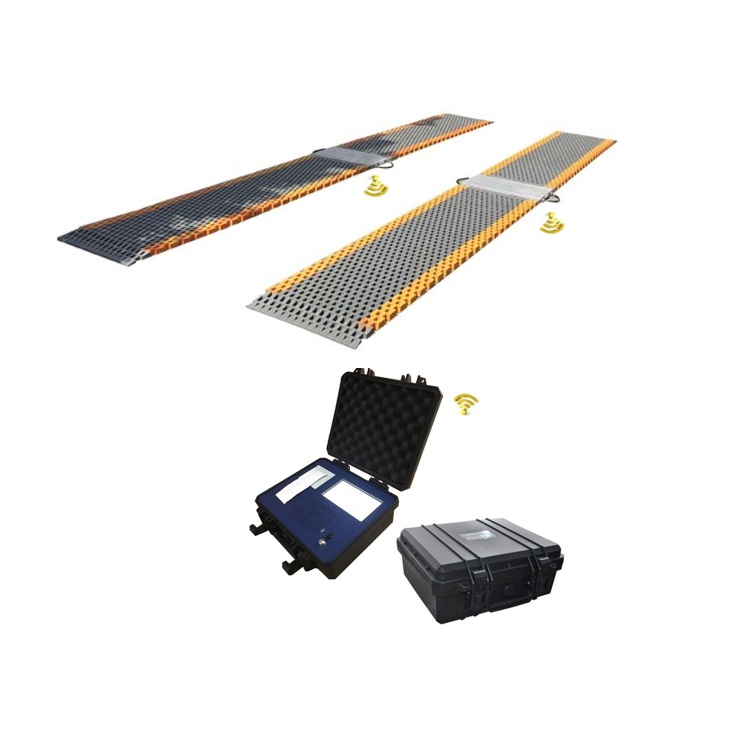
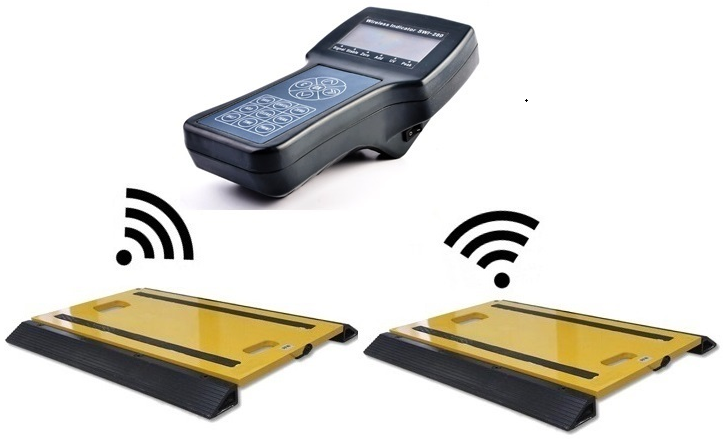
Portable Truck Scales, also known as axle scale, Axle Pads, axle weight scale, portable car scales, etc. Belonging to automotive dynamic weighing scales. Mainly used in fields such as axle load measurement and overload detection. Axle Scale can be divided into wired axle scale and wireless axle scale. Wired axle scale use data cables to connect and transmit data, while wireless axle scale use wireless transmission modules to transmit data. Wireless has gained recognition from a wide range of users for its more portable and user-friendly design.
Technical Characteristics:
1: Under uninterrupted operation of the loader, Portable Truck Scales can automatically and accurately measure the weight of the goods (dynamic weighing). The error is below 2%.
2: Portable Truck Scales has functions such as automatic peeling, single bucket display, cumulative display, vehicle number, date, quality, cargo name, and printing.
3: Equipped with switch options of different tonnages to meet the loading requirements of different railway vehicles.
4: Strong anti-interference ability, able to work stably in harsh environments, high reliability, and long lifespan. Since January 2003, a total of 125 weighing instruments have been installed, and feedback on their use from various units has been collected. The repair rate is approximately 1%.
5: Portable Truck Scales has unique acceleration correction function, automatic peeling function (including bucket adhesive), and temperature compensation function.
Development of axle scale:
1: The working principle of the axle scale:
The intelligent loader axle scale uses the oil pressure in the lifting chamber of the loader arm as the medium, and uses a resistance strain type oil pressure sensor to convert the physical quantity of oil pressure into a μ V level electrical physical quantity. It adopts an automatic height measurement system, and then the data is processed by a microprocessor system to display the mass and accumulated mass of each cargo after skinning on the display screen. When the weight of the vehicle reaches 95% of its intended weight, an alarm prompt will be triggered, followed by entering the weighing system and printing.
2:Establishing constraints for mathematical relationships:
The axle scale measures the weight of the lifted object by measuring the oil pressure of the loading arm cylinder under the load pressure. As the loading arm is a four-bar, multi fulcrum mechanism, there are many factors that affect the oil pressure of the arm cylinder (such as the weight of the lifted object, the angle of the arm, the acceleration of the cylinder during lifting, the environment and temperature changes of the work site, etc.). Establishing a relationship based on these factors as constraints is the primary condition for developing a loading arm weighing instrument.
1): Static weighing at a fixed angle of the boom, where the oil pressure is directly proportional to the lifting mass;
2):Dynamically weigh at a fixed angle of the boom, and when the lifting acceleration is zero and rises at a constant speed, the oil pressure in the cylinder is also proportional to the lifting mass (instantaneous sampling);
3):When the lifting mechanism of a loader lifts a heavy object, the hydraulic system presents different pressures and fluctuations at different lifting heights for the same object. For every 1 degree increase or decrease, the error in oil pressure increases or decreases by about 1%.
3:Development of a axle scale:
Based on the above conditions, simulate the different lifting heights of the boom by extending the piston rod of the lifting cylinder, find the optimal sampling position, and use this position as the ideal signal acquisition height for the computer. Install a fixed height sensor at this position. When the boom passes through this position, a fixed height signal is sent out. After the microprocessor interrupt system receives this signal, the microcontroller interrupts and then inputs the oil pressure signal to the microprocessor for calculation. The following research and experimental work was carried out for this purpose.
1):Solve the force arm relationship equation of the loader. AB is the boom, with a length of l1, and A is the pivot point of the boom; CD is the oil cylinder, C is the hinge point of the oil cylinder; L2 is the vertical distance between points A and C; A1 is the angle between the boom and the horizontal line; A2 is the angle between the oil cylinder and the vertical line; G represents the quality of the goods; F is the oil pressure of the cylinder (acting on the boom).
2):Test to determine the fluctuation relationship of the hydraulic system, and then calculate the acceleration correction value.
3):Test to determine the pressure difference between the rising and falling of the bucket, in order to calculate the remaining mass that should be subtracted when the cargo in the bucket is not completely emptied.
4):Experimental determination of the error relationship between temperature and weighing data.
5):Design circuit diagrams. Require the circuit to have strong anti-interference and stability.
6):Software development. Require completion of calculations, accumulation, printing, and various requirements for the entire weighing process.
Benefit Analysis:
After installing the Portable Truck Scales on the loader, the mass of each bucket of cargo can be measured separately, and the mass of a vehicle can be accumulated. In addition, there is a precise printing sheet that can serve as the legal basis for the freight room, which can effectively reduce labor intensity, compress vehicle stopping time, and ensure the safe operation of the train. The benefits of using a weighing instrument can be roughly estimated as follows.
1: After installing the intelligent axle scale, the operation time of each vehicle can be reduced by about 1 hour. Based on the monthly loading of 1330 vehicles by loaders at Duyun Depot, the monthly parking time of vehicles can be compressed by about 1330 hours, effectively accelerating vehicle turnover.
2: Since the use of intelligent loader Portable Truck Scales for loading in May 2003, Duyun Depot has loaded about 6500 vehicles with loaders, without any overloading or loss of tons, ensuring the safety of cargo transportation and safeguarding the interests of shippers.
3: The advanced technology of the intelligent loader Portable Truck Scales has been fully recognized, and it has been installed on 125 loaders in various freight yards of the railway bureau, quickly transforming scientific and technological achievements into productivity, bringing economic benefits to railway transportation enterprises, and providing guarantees for railway transportation safety.
Requirement analysis:
In railway freight transportation, bulk cargo transportation accounts for a large proportion. As for the Guiyang Railway Bureau, the transportation volume of bulk cargo accounts for about 80% of the total freight volume. In order to ensure the safety of bulk cargo transportation, the Ministry of Railways, Railway Bureau, Railway Sub bureau, and stations have invested a lot of manpower and material resources, established and improved a series of rules and regulations, and formulated a complete set of card control measures.
1:The station will work with the consignor every quarter to determine the specific gravity of the bulk cargo being transported. It is stipulated that during the measurement, materials should be taken and weighed at different locations of the material pile, measured three times, and the average value should be taken as the specific gravity of the goods, which will be used as the basis for the shipment specific gravity of the goods in this quarter.
2:Determine the loading height. The freight forwarder calculates the loading height of the truck based on its specific gravity and draws a line on the measuring tape inside the truck according to the prescribed method.
3:When loading goods, the loader loads them according to the drawn line. After loading, use a Portable Truck Scales to check whether the loaded vehicle is overloaded or in deficit. Due to the random sampling and quarterly nature of the comparison, its unreliability is evident. How to more accurately determine the weight of the loaded goods, how to avoid many tedious processes such as measuring specific gravity, drawing lines, inspecting lines, and checking wheel weights, reduce the labor intensity of employees, and compress the loading time of Portable Truck Scales at once are issues that need to be paid attention to and solved.
How to calibrate a Dynamic axle weighing
Application of Axle Weighing Scales
Related Article