Application of Resistance Strain Gauge Sensor
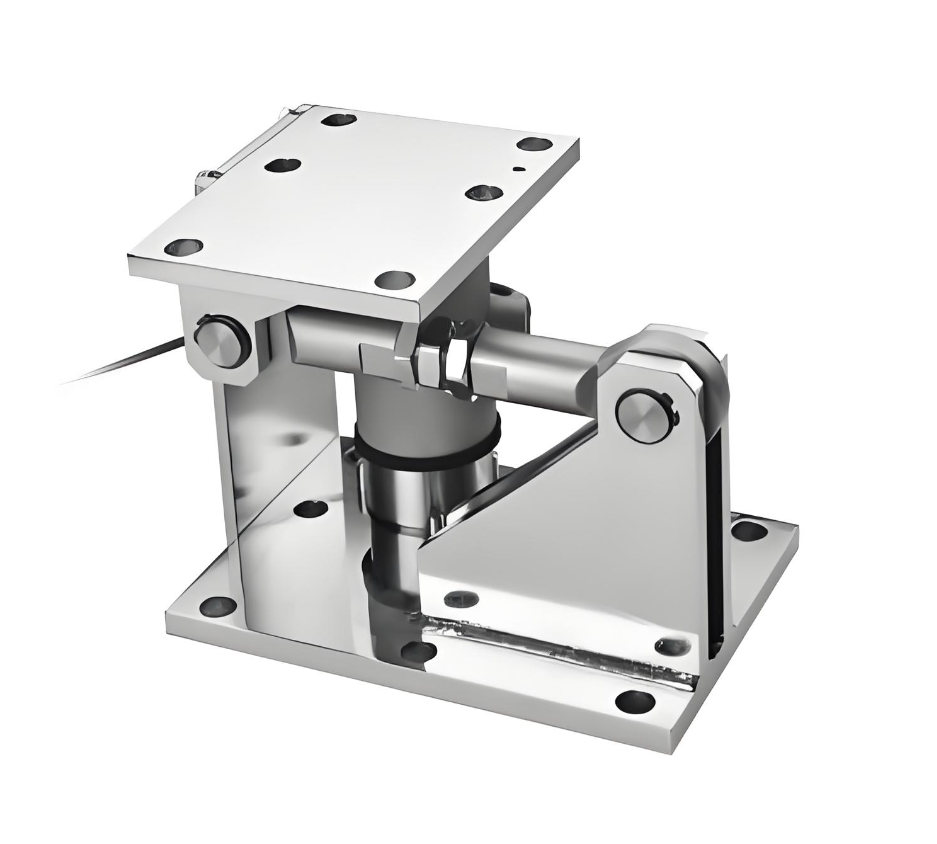
Application of Resistance Strain Gauge Sensor
Keyword: Resistance Strain Gauge Sensor, mv v load cell , straingauge type transducer
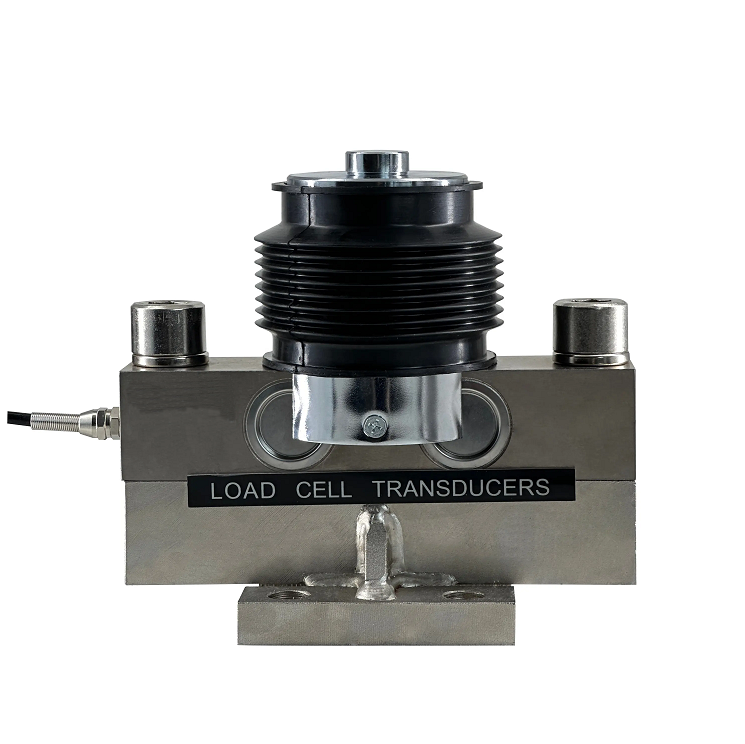
A Resistance Strain Gauge Sensor is a straingauge type transducer that uses a strain gauge as a conversion element. The resistance strain sensor consists of elastic sensitive elements, resistance strain gauges, compensating resistors, and a housing, and can be designed in various structural forms according to specific measurement requirements. The elastic sensitive element is deformed by the measured force, causing the resistance strain gauge attached to it to deform together. Resistance strain gauges convert deformation into changes in resistance values, allowing for the measurement of various physical quantities such as force, pressure, torque, displacement, acceleration, and temperature.
The application of Resistance Strain Gauge Sensor is very extensive, covering multiple fields and specific application scenarios.
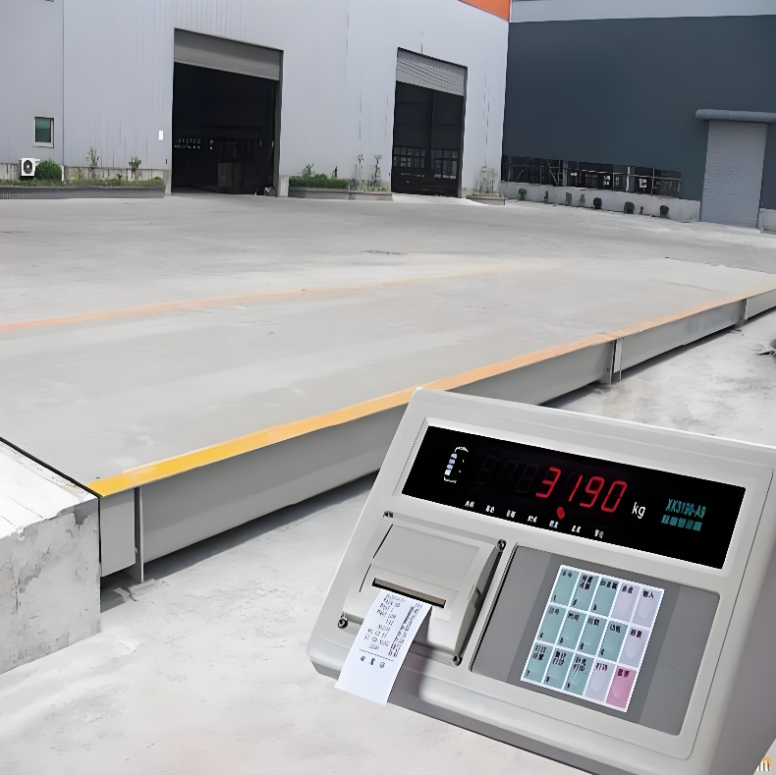
◎Strain gauge force sensor: This type of force Resistance Strain Gauge Sensor is mainly used to measure the magnitude of force and is widely used in various devices and systems that require precise force measurement, such as electronic scales, pressure gauges, etc.
◎Strain gauges: used for measuring pressure, commonly found in industrial automation control, hydraulic systems, pneumatic systems, and other fields, can provide accurate pressure data.
◎Strain gauge torque Resistance Strain Gauge Sensor: used to measure torque, commonly used in applications such as automobiles and construction machinery where rotational torque needs to be measured.
◎Strain type displacement force Resistance Strain Gauge Sensor: used for measuring displacement, widely used in mechanical engineering and automation equipment, capable of accurately measuring the displacement changes of objects.
◎Strain gauge accelerometer for measuring acceleration, commonly used in vibration testing, automotive safety systems, etc., can provide real-time acceleration data.
◎Temperature measuring strain gauge: Although not explicitly classified as a straingauge type transducer, temperature measuring strain gauges also use the principle of resistance change to measure temperature by causing resistance changes through temperature changes.
The common characteristics of these force and weight mv v load cell are high accuracy, wide measurement range, long lifespan, simple structure, good frequency response characteristics, stable operation under harsh conditions, and easy to achieve miniaturization, integration, and diversification. These advantages make resistance strain sensors widely used in various fields such as industrial automation, mechanical equipment, aerospace, etc.
What is the difference between the numbers of the weighing sensor junction box for load and the simulator
Principle and Application of Industrial Weight Sensor
Related Article