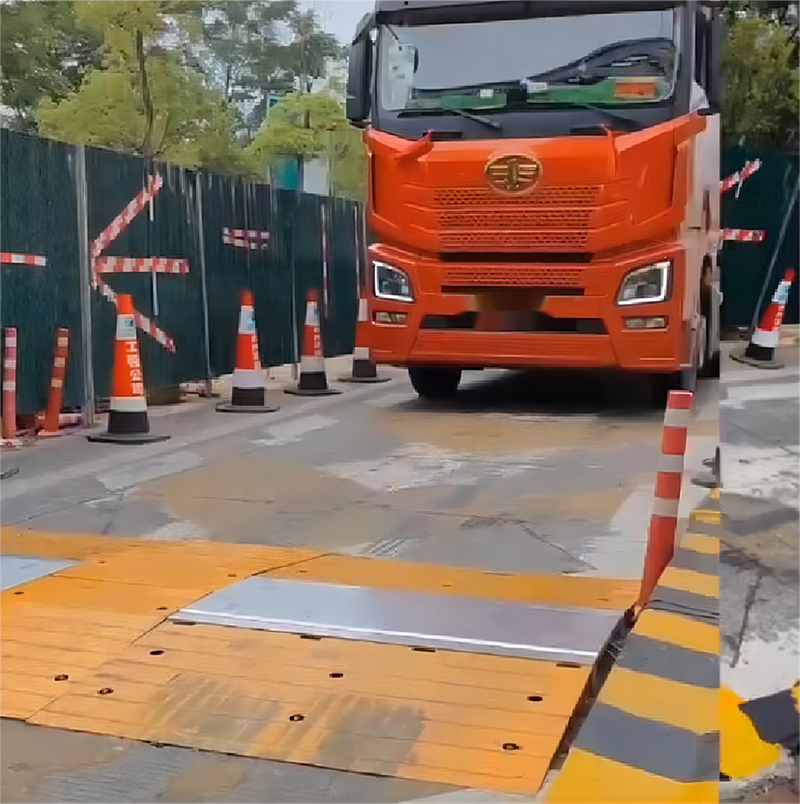
Principle of Highway Dynamic Weighing System

1:The principle of weighing Load Cell
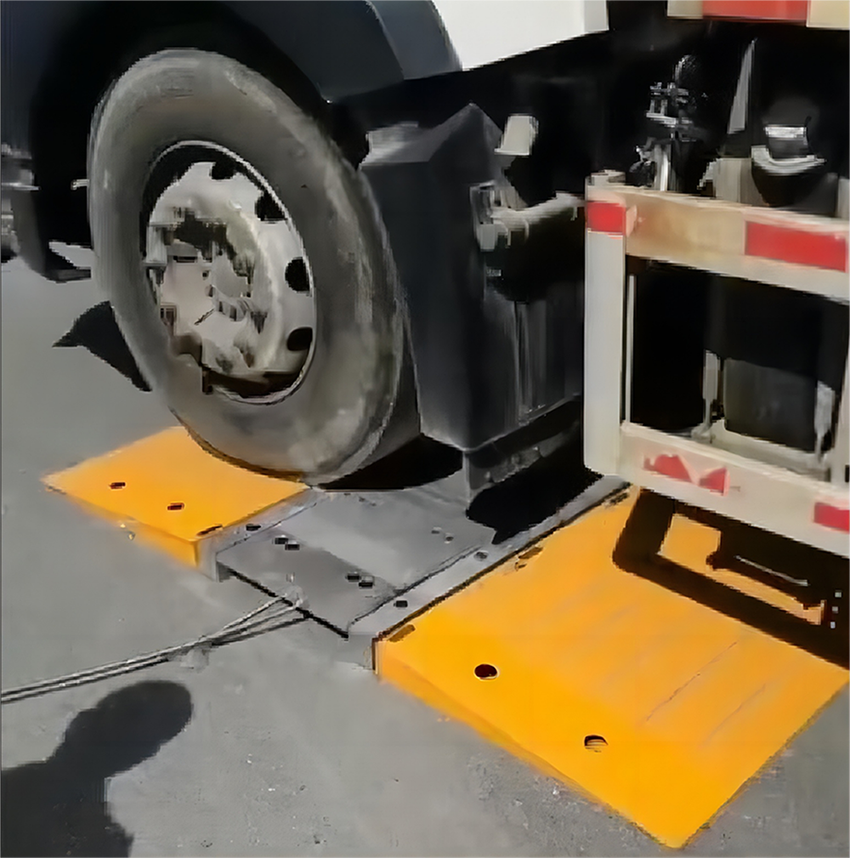
The highway dynamic weighing system mainly measures the weight of vehicles by installing a certain number of weighing sensors on the lane. The sensor uses strain gauge technology, which requires the sensor to be fixed below the road surface and the weighing plate to form a complete sensor system.
When the vehicle reaches the weighing plate, the pressure on the wheels is measured by the degree of deformation of the weighing plate. The weighing board will convert this pressure signal into an electrical signal and transmit it to the data acquisition device. In general, multiple sensors need to be installed to cover the center of gravity of the entire vehicle, making the weighing results more accurate.
2:Data collection and processing
The weighing sensor data acquisition equipment needs to convert the electrical signal of the sensor into a digital signal, which is amplified and filtered before being transmitted to the computer for processing. The computer calculates the total weight of the vehicle and the weight of each axle based on sensor signal data.
In the calculation, it is necessary to determine the weight of each axle based on the distance between the wheels and the number of axles, and ultimately obtain the total weight of the vehicle. At the same time, it is necessary to clean up the data and detect outliers to ensure the accuracy and reliability of the data.
3:Calculation formula
The calculation formula of the highway dynamic weighing system is based on Newton's law, which is F=ma, where F represents the force acting on the object, m represents the mass of the object, and a represents the acceleration of the object after being subjected to the force.
By using this formula, the pressure on the vehicle can be calculated, thereby inferring the weight of the vehicle. At the same time, it is necessary to further process and correct the data based on the number and spacing of axles to ensure the accuracy of the data.
4:Function
The highway dynamic weighing system is mainly used to detect overloaded trucks and ensure highway traffic safety. Overloaded trucks can accelerate road surface damage, increase road maintenance costs, and also pose safety hazards to other vehicles. The dynamic weighing system can detect and handle overloaded trucks in a timely manner, reducing the occurrence of road safety accidents.
Meanwhile, in traffic management, dynamic weighing systems can also be used for toll collection, highway monitoring, and safety management, playing an important role.
Conclusion
The highway dynamic weighing system is an important transportation management equipment. Through reasonable sensor layout, data collection and processing, calculation formulas and other technical means, accurate measurement of vehicle weight can be achieved to ensure road traffic safety.